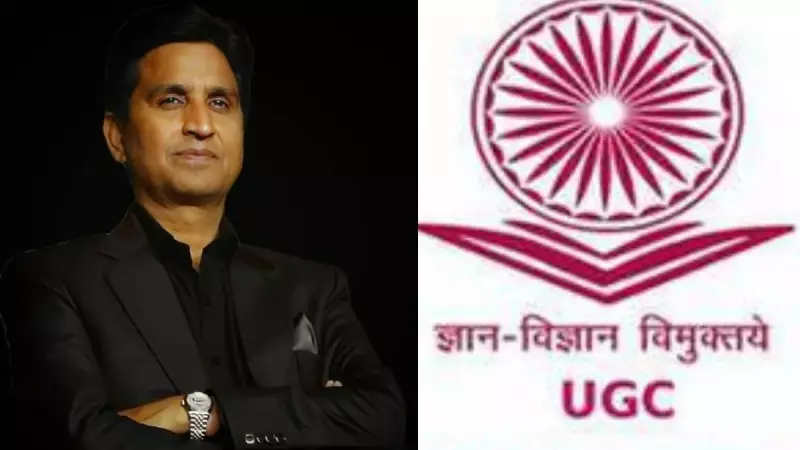
Kumar Vishwas Steps into UGC Act Controversy with Critical Poem
Former Aam Aadmi Party leader and renowned poet Kumar Vishwas has entered the heated debate surrounding the University Grants Commission Act by sharing a poem that sharply criticises the new rules. This move has added a literary and political dimension to the ongoing controversy over academic governance in India.
Poetic Critique of New UGC Regulations
Kumar Vishwas, known for his eloquent and often politically charged poetry, took to social media to express his disapproval of the recent amendments to the UGC Act. His poem, which has gone viral, highlights concerns about academic freedom, institutional autonomy, and the potential impact of the new regulations on higher education. The verses metaphorically question the centralisation of power and the erosion of traditional academic values.
The poem has resonated with many educators, students, and activists who have been vocal about the changes. It underscores the broader societal unease regarding the government's role in shaping educational policies. Vishwas's intervention is seen as a significant moment, blending cultural expression with political commentary on a critical issue affecting India's academic landscape.

Background of the UGC Act Controversy
The UGC Act controversy stems from recent amendments that have sparked widespread debate across educational institutions. Critics argue that the new rules could undermine the autonomy of universities, limit academic freedom, and centralise control over curriculum and appointments. Proponents, however, claim that the changes are necessary for standardisation, quality assurance, and aligning education with national goals.
This controversy has drawn reactions from various stakeholders, including academicians, political leaders, and now cultural figures like Kumar Vishwas. The involvement of a prominent poet adds a unique perspective, emphasising how educational policies intersect with cultural and intellectual life in India.
Reactions and Implications
The sharing of the poem by Kumar Vishwas has triggered a flurry of responses on social media and in academic circles. Supporters praise his courage in speaking out, while some critics dismiss it as political posturing. Regardless, it has amplified the discourse on the UGC Act, bringing it to a wider audience beyond policy wonks and educators.
- Increased public awareness about the UGC Act changes
- Debate on the role of poets and artists in political issues
- Potential influence on future policy discussions
- Highlighting the cultural dimensions of educational governance
This development underscores the multifaceted nature of the controversy, where legal, political, and now cultural elements converge. As the debate continues, Kumar Vishwas's poem serves as a poignant reminder of the stakes involved in shaping India's educational future.