The ongoing Special Intensive Revision (SIR) of Gujarat's electoral rolls has sparked significant anxiety in the state's higher education sector. A massive deployment of academic staff for election-related work is threatening to derail regular teaching schedules and crucial examinations.
Scale of Academic Staff Deployment
For the revision process, the administration appointed a total of 737 Assistant Electoral Registration Officers (AEROs). Alarmingly, more than 250 of these officials are professors, instructors, and principals drawn from various higher education institutions across the state. Following the initial revision phase, all 737 AEROs have now been assigned to handle appeal hearings in the Ahmedabad district in the coming days.
Widespread Impact Across Disciplines
The assignment is not limited to any single stream. Faculty members from Arts, Commerce, and Science colleges have been given these election responsibilities. The situation is particularly critical for technical and professional education. Professors from engineering, pharmacy, medical, ITI, and even IITs have been deputed for the work. The net includes staff from government-aided colleges as well, creating a widespread shortage of teaching personnel.

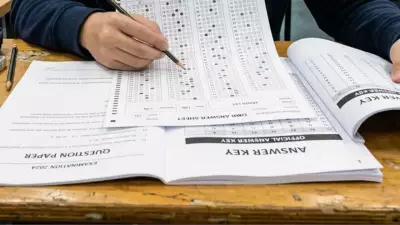
Educators have expressed deep concern over the timing. With the new semester underway, conducting classes smoothly has already become a challenge. The crisis is set to deepen as degree engineering examinations are scheduled to begin shortly. The engagement of a large number of technical course professors in election work directly clashes with their teaching and examination duties.
Imminent Threat to Academic Calendar
The most immediate fear is the disruption of the tightly packed academic calendar. Semester 1 university examinations are slated for January, and colleges are worried about serious academic setbacks. The diversion of such a substantial portion of the teaching faculty towards non-academic duties could compromise both the quality of instruction and the fair conduct of examinations, putting student futures at risk.
The conflict highlights the strain on public resources during major electoral exercises, where essential services like education often bear the brunt of manpower shortages. The coming weeks will be a critical test of how the administration balances democratic processes with the fundamental right to uninterrupted education.