EFL University Lucknow Hosts Gender Workshop on International Women's Day
The regional campus of the English and Foreign Languages University (EFL University) in Lucknow marked International Women's Day with a significant academic event. On Wednesday, the institution organized a comprehensive day-long workshop titled 'Gender Sensitization, Inclusivity and Empowerment: An IKS Perspective'. This initiative aimed to explore gender issues through the lens of Indian Knowledge Systems, directly supporting the objectives outlined in the National Education Policy of 2020.
Expert Discussions on Gender Roles and Equality
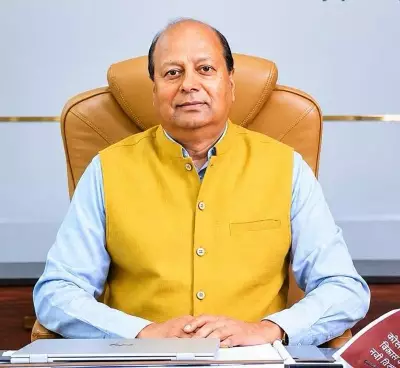
During the workshop, experts engaged in detailed discussions covering a wide range of topics related to gender roles, equality, and empowerment. The conversations were framed within the context of Indian knowledge traditions, creating a unique interdisciplinary approach to contemporary gender studies. The event was presided over by Prof Rajneesh Arora, Director of the regional campus, who emphasized the critical need for developing gender awareness in academic and social contexts.
Prof Arora highlighted the importance of confronting deeply entrenched attitudes and reducing existing asymmetries to foster more meaningful research on gender within Indian frameworks. He stressed that such research should encompass social, cultural, literary, and historical perspectives to create a more comprehensive understanding of gender dynamics in the Indian context.

Academic Perspectives on Gender Sensitization
The workshop featured several prominent academic voices who contributed diverse perspectives on gender issues. Prof Akansha Singh from the Department of Education at Lucknow University addressed the topic of gender sensitization and examined the evolving role of women in contemporary education systems. She advocated for more rigorous empirical research that considers both men's and women's positions across different historical periods, including Vedic, post-Vedic, and modern times.
Alka Singh from Dr Ram Manohar Lohia National Law University presented a compelling argument for reinterpreting classical Indian texts. She emphasized the need to bridge the gap between abstract, metaphysical knowledge and current sociocultural realities, suggesting that such reinterpretation could provide valuable insights for modern gender discourse.
Integrating IKS in Social Research
Saumya Sharma, the organizing secretary of the workshop, provided a unique perspective by linking women's socialization and gendering processes with questions of autonomy and personal choice. She drew upon the devout lives of women saints across India to illustrate her points, highlighting how these historical examples could inform contemporary understanding of women's experiences.
Sharma strongly advocated for the integration of Indian Knowledge Systems into social research methodologies, arguing that this approach would lead to more culturally relevant and academically informed gender analyses. Throughout the workshop, speakers consistently emphasized several key themes:
- The importance of interdisciplinary approaches to gender studies
- The need for greater inclusion of diverse perspectives
- The value of reinterpreting traditional texts through contemporary lenses
- The potential of IKS to inform more nuanced gender analyses
The event successfully created a platform for academic dialogue that connected traditional Indian knowledge systems with modern gender discourse, contributing to the broader conversation about gender equality and empowerment in educational contexts.