The traditional image of humanities students buried in history books and philosophical texts is undergoing a radical transformation in India. In the digital age, the humanities stream is being reimagined to equip students with a powerful blend of critical thinking and cutting-edge technological skills. This shift aims to bridge the perceived gap between liberal arts education and the demands of the modern workforce.
The Digital Imperative for Humanities
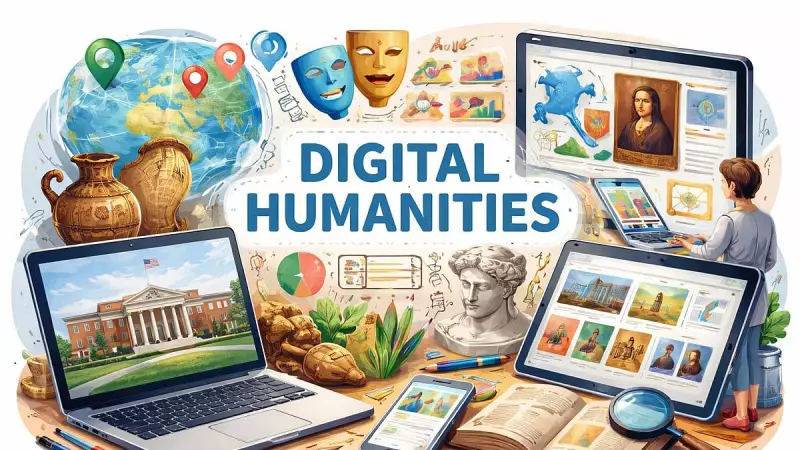
The core argument driving this change is that the fundamental skills of the humanities—critical analysis, communication, ethical reasoning, and understanding human societies—are more valuable than ever. However, they must now be complemented with digital literacy. Educational experts and institutions are pushing for a curriculum where a student of literature might also learn data visualization to analyze literary trends, or a history student might use geographic information systems (GIS) to map historical events.
This integration addresses a major concern for students and parents: employability. The goal is to move beyond the stereotype that humanities lead only to teaching or civil service careers. By infusing the curriculum with relevant digital tools, graduates can access diverse fields like content strategy, user experience (UX) research, digital marketing, policy analysis, and data journalism. The humanities provide the 'why' and the 'how' of human experience, while digital skills provide the 'what' and the 'with what'.

Key Skills for the Modern Humanities Graduate
The proposed reimagined humanities stream focuses on building a specific set of competencies. These are not about turning literature majors into software engineers, but about enabling them to apply their core strengths in a tech-driven environment.
Data Analytics and Interpretation: Humanities students are trained to spot patterns in texts and societies. This skill is directly transferable to analyzing data sets. Learning basic data analytics allows them to quantify research, identify social trends, and present findings compellingly.
Digital Content Creation and Curation: From writing for online platforms and managing social media narratives to understanding digital archives and metadata, these skills are natural extensions of traditional humanities training in communication and research.
Understanding AI and Ethics: As artificial intelligence becomes pervasive, humanities graduates are crucial for framing the ethical, philosophical, and sociological questions around its use. Courses on the ethics of AI, algorithmic bias, and the societal impact of technology are becoming essential.
Technical Proficiency: This includes familiarity with tools for digital storytelling, basic coding for digital humanities projects, and platform-specific knowledge needed in modern workplaces.
The Path Forward: Curriculum and Collaboration
Implementing this vision requires systemic changes. Universities and colleges are being urged to redesign their Bachelor of Arts (BA) programs to include minor specializations or mandatory skill-based courses in digital domains. Partnerships between humanities departments and computer science or design schools are key to developing relevant modules.
Furthermore, the approach calls for a shift in pedagogy. Project-based learning, where students tackle real-world problems using both humanistic inquiry and digital tools, can replace rote learning. For instance, a sociology project might involve surveying community sentiment online and analyzing it with simple software.
The ultimate objective is to produce versatile, adaptable graduates who can think deeply, communicate effectively, and navigate the digital landscape with confidence. This fusion prepares them not just for jobs that exist today, but for roles that will emerge tomorrow, ensuring that the study of human culture remains not just relevant, but indispensable in shaping a humane technological future.
This transformation positions India's humanities education at a exciting crossroads. By embracing digital integration, the stream can shed outdated perceptions and reclaim its place as a vital source of innovators, leaders, and critical thinkers for the 21st century.