As the New Year begins, a prominent voice has put forward a crucial suggestion for Bengaluru's cultural and educational landscape. The city, known as India's tech hub, is being urged to significantly bolster its infrastructure for promoting its regional language.
A Vision for Kannada Proficiency
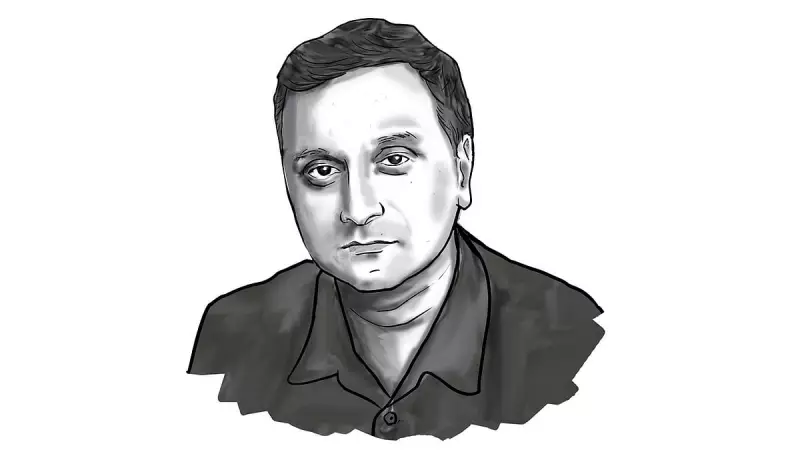
In a recent opinion piece, academic and writer Chandan Gowda presented a clear proposal for Karnataka's capital. He argues that a metropolis of Bengaluru's stature and population should be home to at least half a dozen well-designed institutes dedicated to the Kannada language. The core idea is to create dedicated centers where interested individuals, regardless of their background, can systematically learn to speak and write Kannada.
The call to action was published on January 3, 2026, framing it as a key thought for the New Year. Gowda's vision moves beyond traditional language classes. He emphasizes the need for innovative curricula and modern teaching methods to make learning effective and engaging for a diverse urban population.
Beyond Basic Learning: Structured Skill Development
The proposed institutes would not offer a one-size-fits-all approach. A central part of the idea is to help learners acquire different levels of proficiency. This structured progression would cater to everyone from absolute beginners to those seeking advanced mastery in literary or professional Kannada.
This initiative is seen as more than just language education. It is a step towards cultural integration and preserving linguistic heritage in a rapidly globalizing city. For a city that attracts talent from across India and the world, such institutes could serve as vital bridges, fostering a deeper connection between residents and the local culture.
The Path Forward for Bengaluru
The opinion piece serves as a reminder that urban development must encompass cultural and linguistic growth alongside technological and economic progress. Establishing specialized Kannada learning centers would address a growing need in Bengaluru's civil society.
If implemented, this network of institutes could have several positive outcomes:
- Empowering non-native residents to integrate more fully into social and professional life in Karnataka.
- Formalizing and standardizing high-quality Kannada education for all age groups.
- Positioning Bengaluru as a model for other Indian metros on how to actively support regional languages.
As Bengaluru continues to evolve, integrating such thoughtful proposals into its planning could help maintain the unique cultural identity that forms the soul of the city, making the New Year's thought a potential blueprint for the future.