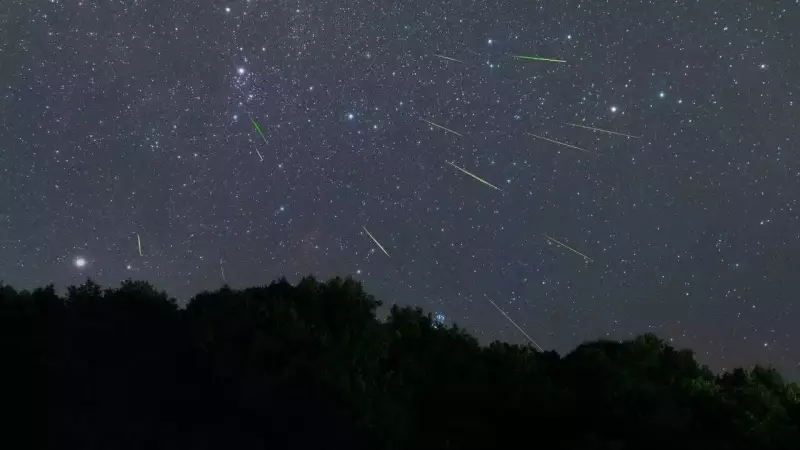
The year 2026 is set to be a thrilling period for astronomy enthusiasts and casual skywatchers across India, offering a diverse calendar of meteor showers. From brief, intense outbursts to prolonged, faint displays, the celestial events will paint the night sky with natural fireworks. These phenomena occur when Earth passes through trails of cosmic debris left by comets and asteroids, causing particles to burn up in our atmosphere and create stunning streaks of light.
While some showers are reliably spectacular, others offer a glimpse into the dynamic nature of our night sky. Successfully viewing these events requires minimal equipment but ample patience, dark skies, and proper timing. Here is your complete guide to the meteor showers of 2026.
2026 Meteor Shower Calendar: Peak Dates and Viewing Tips
The celestial calendar for 2026 is packed with opportunities. The table below outlines the major showers, their peak activity periods, and the best regions for observation.

Quadrantids (January 3–4): Kicking off the year, the Quadrantids are known for their fast, bright meteors. Their peak is notoriously brief, often lasting just a few hours, but the display can be intense. Best viewed from the Northern Hemisphere after midnight until dawn, they are worth braving the winter chill for their sudden, bright flurries.
Lyrids (April 22–23): Offering a more steady display, the Lyrids are one of the oldest recorded showers, with observations dating back 2,700 years. Visible from both hemispheres after midnight, they may produce occasional bright fireballs amidst a modest hourly rate.
Eta Aquariids (May 6–7): These swift, bright meteors, originating from the famous Halley's Comet, are best seen from the Southern Hemisphere in the pre-dawn hours. Observers in southern India will have a good chance, while those in the north may see a limited display near the horizon.
Delta Aquariids (July 28–29): A long-lasting shower that builds over weeks, the Delta Aquariids feature slower meteors. The peak is best from southern latitudes and equatorial regions like central and southern India, from late night until dawn.
Perseids (August 12–13): Often the most anticipated shower, the Perseids combine high meteor rates with the comfort of warm summer nights. Known for bright fireballs, they are reliably spectacular and best viewed from the Northern Hemisphere from late evening until dawn, making them a favourite across North India.
Highlights of the Late-Year Showers
Draconids (October 7): Unusually, this shower peaks in the early evening, offering a convenient viewing window. While typically quiet, it can produce brief outbursts and is best seen from northern latitudes.
Orionids (October 21–22): Another gift from Halley's Comet, the Orionids produce fast, bright meteors visible worldwide after midnight. They often leave persistent glowing trails in their wake.
Geminids (December 13–14): Considered by many as the year's best shower, the Geminids originate from an asteroid, not a comet, resulting in dense, bright meteors. A major advantage for viewers is that they become active in the evening, allowing for observation even before midnight across Northern India.
Ursids (December 21–22): Providing a charming year-end finale near the winter solstice, the Ursids offer modest activity. Under perfect dark skies, observers might be surprised by bright meteors.
How to Watch Meteor Showers in India: A Simple Guide
You don't need a telescope to enjoy a meteor shower. The key is preparation and patience. Find a location as far from city lights as possible—a rural area or a dark park is ideal. Allow your eyes at least 30 minutes to fully adapt to the darkness. Dress warmly, bring a reclining chair or mat, and simply look up at a wide expanse of sky. The meteors can appear anywhere, so a broad view is best.
Check the specific peak dates and moon phases for 2026; a new moon or crescent moon will provide the darkest skies and the best viewing conditions. The year 2026 promises to connect us with the ancient rhythms of our solar system, offering countless moments of celestial wonder for sky gazers all over India.