In a significant push to fortify educational institutions against substance abuse, the Punjab government has trained 146 teachers from government and aided colleges across the state as dedicated nodal officers. This initiative is a core component of the state's flagship "War Against Drugs" campaign.
Building an Anti-Drug Framework in Colleges
The training program, executed by the Department of Higher Education, falls under the National Action Plan for Drug Demand Reduction (NAPDDR). Its primary aim is to establish a robust, preventive framework within college campuses to tackle the menace of drug addiction among youth.
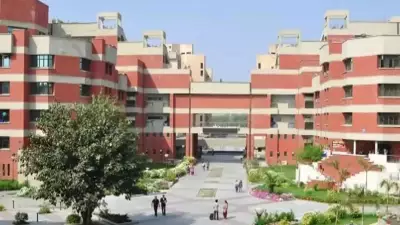
To achieve this, a series of intensive one-day workshops were conducted from December 18 to 20, 2025. The sessions were held at Shaheed Major Harminderpal Singh Government College in SAS Nagar (Mohali). Faculty members representing colleges from all 23 districts of Punjab participated in this crucial training.

Expert-Led Sensitization and Strategy Sessions
The workshops featured a panel of experts to equip teachers with the necessary knowledge and skills. Trainers included clinical psychologists, mental health experts, and academic scholars from prestigious institutions such as:
- Guru Nanak Dev University, Amritsar
- Government Medical College, Patiala
- Civil Hospital, Mohali
- Data Intelligence and Technical Support Unit (DITSU)
The curriculum was designed to sensitize participants to critical issues impacting young adults. Key discussion points included:
- Understanding youth stress and its triggers.
- Root causes and severe consequences of drug abuse.
- Scientific and empathetic methods to support students grappling with addiction or mental health challenges.
Teachers were also briefed on the ongoing activities under the broader "War Against Drugs" campaign and the proactive, frontline role educational institutions must play in building a drug-free Punjab.
Fighting Stigma with Empathy and Awareness
Addressing the participants, Gunjit Kaur, officiating principal of the host college, highlighted the program's core mission. "The core objective of this programme is to spread awareness about drugs, mental health and well-being, enabling people to make informed decisions," she stated. "Those affected by addiction need support and inclusion, not isolation."
Echoing this sentiment, workshop trainer Dr. Tavleen Kaur, a clinical psychologist from Government Medical College and Rajindra Hospital, Patiala, emphasized the multifaceted nature of the battle. She clarified that the fight extends beyond the substances themselves. "The fight is not only against drugs but also against social stigma, ignorance and hopelessness," Dr. Kaur explained. She underscored the pivotal role of educators, urging them to respond with understanding rather than blame when dealing with vulnerable students.
This large-scale training marks a strategic step in decentralizing and strengthening Punjab's anti-drug efforts. By placing trained, empathetic nodal officers within college communities, the state aims to create a first line of defense, early intervention, and a supportive environment for its youth.