JEE Main 2026: What Aspirants Can Learn from Papers Held from January 21 to 24
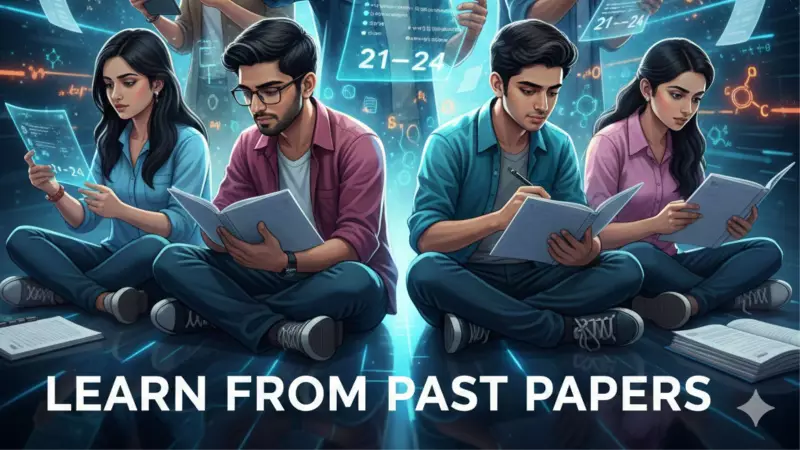
As the JEE Main 2026 examination progresses through its multiple shifts, a distinct division is emerging among aspirants. While one group anxiously awaits their scheduled exam date, another is actively analyzing and solving question papers from shifts that have already concluded. This divergence stems not from differences in intelligence, but from contrasting approaches to preparation. For those with upcoming exam dates, reviewing papers from earlier shifts has proven transformative, shifting focus from speculative prediction to practical familiarity with actual exam formats and question types.
The Current Language of JEE Main 2026
Every competitive examination possesses its own unique language, encompassing how questions are framed, the depth of conceptual assessment, and the balance between direct queries and applied problem-solving. While coaching tests and mock exams attempt to decode this language, the ongoing JEE Main shifts provide the most authentic representation. Analysis of papers from January 21 to 24 reveals that JEE Main 2026 is not merely about difficulty, but rewards precision and clarity in responses rather than overcomplication.
Many students discovered that seemingly complex problems contained relatively straightforward entry points when approached calmly. This realization marks a crucial transition from uncertainty to confidence in exam strategy.

From Uncertainty to Pattern Recognition
Candidate preparation is often clouded by uncertainties regarding paper length, subject focus, and question distribution. By solving current shift papers, aspirants can identify emerging patterns that eliminate these doubts. Observations from recent shifts include:
- Consistent appearance of NCERT-based Chemistry questions across multiple days
- Physics formulas presented in varied but recognizable formats throughout the exam period
- Mathematics sections requiring selective, strategic approaches rather than attempts to solve every question
This pattern recognition enables more targeted and efficient preparation, moving beyond generalized study to exam-specific strategy.
Mental Conditioning Beyond Syllabus Completion
While syllabus coverage remains essential, solving actual JEE Main shift papers provides critical mental conditioning that separates strong attempts from weak ones. This practical preparation helps candidates develop:
- Composure when encountering unfamiliar questions in initial sections
- Discipline to avoid time-consuming questions without panic
- Confidence to trust their preparation and avoid second-guessing answers
This mental exercise proves as valuable as academic preparation, particularly in high-pressure examination environments.
Why Current Shift Papers Outperform Older Resources
While previous years' papers provide foundational understanding, current shift papers accurately reflect evolving examination trends. The 2026 papers demonstrate:
- Calculator usage in numerical problems
- Reason-type questions requiring analytical thinking
- Dynamic balance between Physics, Chemistry, and Mathematics sections
- Calibrated difficulty levels consistent with National Testing Agency standards
By engaging with these current materials, students align their preparation with examiner expectations and examination evolution.
Optimal Utilization Strategies for Shift Papers
To maximize benefits from current JEE Main papers, aspirants should consider these strategic approaches:

- Complete multiple practice papers focusing on familiarity rather than initial scores
- Identify topics where confidence and marks are assured
- Recognize time-trap questions that appear simple but consume disproportionate time
- Use mistakes as foundation for final review and improvement
- Replicate examination conditions during practice sessions whenever possible
The 2026 JEE Main emphasizes adaptability, observation, and composure alongside academic knowledge. Students analyzing current papers gain not only preparation advantages but also insights into examination style and content. This familiarity with format, style, and content provides a significant competitive edge for engineering aspirants across India.