The Earth beneath our feet is far from a static, silent globe. It is a vibrant, ever-changing entity that breathes, fractures, and reshapes itself in a continuous, grand spectacle. The science that reads this epic narrative written on our planet's skin is known as geomorphology. For aspirants of India's Union Public Service Commission (UPSC), this field is more than just an academic topic; it is a crucial tool for comprehending natural disasters, resource allocation, and the principles of sustainable development.
The Engine Beneath: Forces from Earth's Core
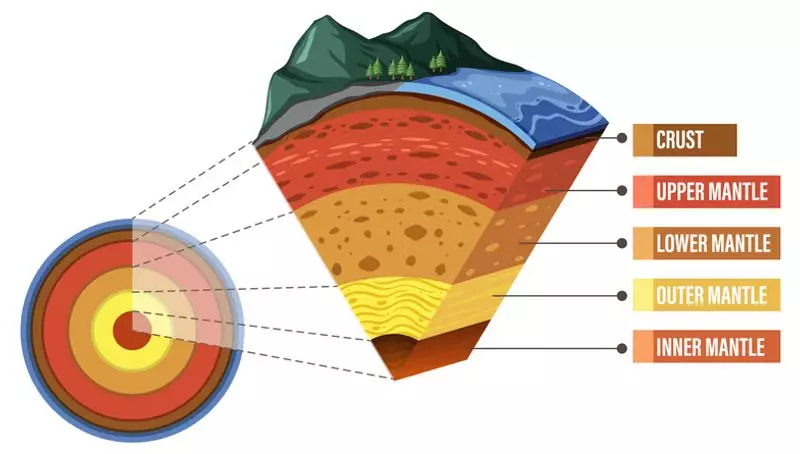
At the heart of this planetary transformation lie immense forces originating from deep within the Earth. The intense heat from the planet's core generates powerful convection currents in the mantle. These currents are the primary drivers behind the movement of massive tectonic plates that form the Earth's crust. This relentless motion is responsible for the most dramatic changes on the surface. Where plates collide, mighty mountain ranges like the Himalayas are thrust upwards from ancient seabeds. Where they pull apart, new crust is formed, and where they slide past each other, they store energy that is released as earthquakes.
Reading the Landscape: A Guide for Future Administrators
Every feature of the land tells a story of these deep-seated processes. A vast plateau, a fertile plain, a chain of fold mountains, or a solitary volcanic cone—each is a direct consequence of the Earth's internal dynamics. Geomorphology teaches us to decipher this story. For a civil services candidate, this understanding is indispensable. It informs policies on disaster management in earthquake-prone zones, guides the sustainable extraction of mineral resources found in specific geological formations, and aids in environmental planning for river valleys and coastal areas. Knowing why the land is shaped the way it is helps in making informed decisions for the people who live on it.

Why Geomorphology Matters Beyond the Exam
The relevance of this science extends far beyond the UPSC syllabus. It connects directly to daily life and long-term survival. The sudden jolt of an earthquake is a stark reminder that the ground we consider solid is dynamic and alive. Rivers, over thousands of years, carve out valleys and deposit fertile soil, dictating agricultural patterns and settlement locations. By studying geomorphology, we learn to respect the planet's power, anticipate its changes, and plan our development in harmony with its processes. It is the foundation for building resilient communities and ensuring sustainable development for future generations.
In essence, geomorphology provides the ultimate context. It explains the stage upon which human history unfolds—a stage that is constantly being rewritten by the incredible forces from within our living planet.