A young woman, carrying an infant and accompanied by her husband with a large backpack, stopped a professor during his morning walk in a Delhi colony. She had travelled from Prayagraj to appear for an exam but lost her wallet containing her Aadhaar card on the train. Desperate to download and print a copy to gain entry to the test centre, she was searching for a cyber café on a cold, foggy January morning.
The 15-Day Exam Jamboree and Its Ripple Effect
This scene unfolded on January 1, 2026, outside a school that had been converted into a test centre for a computer-based exam conducted by the Staff Selection Commission (SSC). The exam aimed to recruit 7,500 constables for the Delhi Police. The tests were scheduled over 15 days in multiple shifts, transforming the entire neighbourhood. Each day, thousands of candidates and their relatives descended upon the area, creating a temporary but massive influx of people.
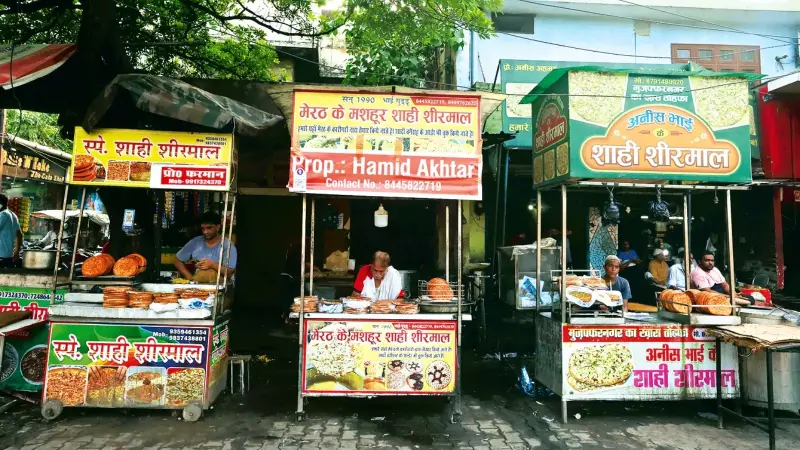
The immediate and visible impact was a significant surge in local commerce. The streets were lined with makeshift tea stalls, chaat and bhelpuri carts. The demand for transport skyrocketed, with shared autos, cabs, and bike taxis thronging the area throughout the day. This micro-economy blossomed solely due to the examination.

The National Scale of the 'Exam Industry'
This single SSC exam centre represents just one node in a vast nationwide network. Testing agencies often assign centres far from a candidate's hometown, maximising inconvenience. This policy forces candidates to travel a day in advance, incurring costs for train or bus fares, local cab/auto rides, and overnight stays in budget hotels or dharamshalas.
When considering the sheer volume of examinations conducted by bodies like the UPSC, SSC, NTA, Railways, defence services, and various state public service commissions, the aggregated economic activity is immense. This 'exam economy' exists alongside the massive coaching industry, a sunshine sector estimated to add Rs 30,000 crore to Kota's economy alone, with cities like Sikar rapidly growing as hubs.
The phenomenon is further underscored by the intense competition for modest government jobs, where positions requiring a Class XII qualification see applicants with PhD and Master's degrees.
Entrepreneurial Silver Linings in a Stressful Cycle
Within this relentless cycle, some entrepreneurs have identified unique niches. One former student, after years of unsuccessful attempts at various exams, decided to profit from the system. Living near an exam centre, he began offering printing services for essential documents. He also identified a critical gap: exam centres often have no facility to safeguard candidates' belongings, like phones, which are prohibited inside.
His solution? For a small fee, candidates could securely leave their phones and other valuables with him. This small enterprise highlights the innovative, ground-level business opportunities that have emerged from India's high-stakes examination culture.
The original account was shared by Shobhit Mahajan, a professor of Physics and Astrophysics at the University of Delhi.