The Toxic Cycle of UGC-NET Result Speculation on Social Media
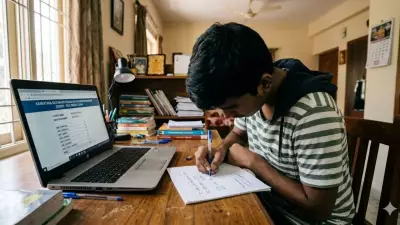
In today's digital age, the journey for competitive exam aspirants often starts not with rigorous study sessions, but with endless scrolling through social media platforms. After completing an examination like the UGC-NET, many candidates immediately immerse themselves in speculative content, such as "cut-off" predictions and "result update" videos. These videos, frequently detached from reality, are designed to monetize the anxiety and uncertainty that plague aspirants.
Speculation Multiplies During Critical Periods
This troubling pattern became starkly evident when the National Testing Agency (NTA) announced on January 31 that it would declare the results for the UGC-NET December 2025 examination by February 4. The five-day waiting period saw speculation explode across various social media channels, trapping aspirants in a state of constant tension and mental fatigue.
Almost every such video amassed between 10,000 to 30,000 views, accompanied by a substantial number of comments. This highlights the profound vulnerability of aspirants whose entire careers hinge on the outcomes of these high-stakes exams. Many comments even pleaded with content creators to cease producing such material, arguing that it only exacerbates unnecessary stress and anxiety.

The Harmful Impact of Unverified Predictions
The reality is that there is no scientific formula for accurately predicting cut-offs; these estimates are essentially akin to exit polls based on limited and often biased opinions. However, the question arises: can such speculation truly be harmless? The answer is a resounding no.
In India, where timelines for various exam stages are frequently uncertain and delayed, this speculation becomes particularly problematic. Delays in declaring results for one stage leave aspirants with minimal time to prepare for subsequent rounds, thereby intensifying the anxiety associated with the entire process.
Consider the tangible consequences: a video predicting an exaggerated cut-off can demotivate aspirants, even if they have successfully cleared the initial stage, leading to wasted time spent in stress and uncertainty. Conversely, a video that underestimates the cut-off can foster false hope, prompting candidates to invest in expensive test-series courses only to face crushing disappointment later.
The Role of Social Media Algorithms
Competitive examinations are inherently challenging, and today's result-obsessed environment only amplifies this difficulty. Social media algorithms exacerbate the issue by not allowing any respite. Aspirants are bombarded with notifications about new cut-off videos, often adorned with misleading headlines like "Result is Out," even when the content merely speculates about a potential declaration date.
Continuously consuming such speculative material while fixating on results leads to significant mental and physical exhaustion. This sentiment is poignantly captured in user comments, such as: "After the exam, I just watch cut-off videos; I don't even get out of bed," and "We will go mad watching these videos."
Accountability and the Need for Self-Regulation
So, who bears responsibility for this cycle? Is it the aspirants, who cannot wait for official results and inadvertently demand such videos? Or is it the YouTubers and content creators who exploit this anxiety to maximize views and revenue? Once social media algorithms take over, accountability often vanishes into thin air.
Predict any cut-off or result date—no one is held responsible for inaccuracies. The underlying logic is simple: audiences receive what they consume the most. Nowadays, most exams have unofficial WhatsApp or Telegram groups where aspirants participate in informal polls to estimate cut-offs based on their marks. YouTubers amplify these discussions, recognizing that cut-off videos attract far more attention than educational tutorials or lectures.
What was once a private exchange among peers has transformed into a monetized spectacle, further complicating the exam preparation landscape.

Urgent Call for Change and Personal Responsibility
It is imperative to actively discourage the creation and dissemination of such speculative videos and reels. Aspirants are taking academic exams, not participating in elections where predictions and debates can continue indefinitely until official results are announced. There is absolutely no need for YouTubers to assume the role of reporters with their own "exit polls."
Historically, aspirants would take a well-deserved break after completing an exam, awaiting results with patience. In the current scenario, self-regulation stands as the most effective defense against this anxiety-inducing cycle. Learning to step back, prioritize well-being, and avoid compulsive consumption of speculative content is crucial—not only for achieving exam success but also for safeguarding mental health.
The insights in this article are contributed by an expert associated with National Law University, Delhi, underscoring the importance of addressing this issue within the educational community.