JEE Main 2026 Results: Anticipated Declaration Timeline and Comprehensive Paper Analysis
The Joint Entrance Examination (JEE) Main 2026 has concluded its initial sessions, with candidates eagerly awaiting their scores and official announcements from the National Testing Agency (NTA). This high-stakes engineering entrance exam, crucial for admissions to prestigious institutions like the Indian Institutes of Technology (IITs) and National Institutes of Technology (NITs), has seen significant participation across the country.
When Will JEE Main 2026 Results Be Declared?
As of now, the NTA has not released any official notification regarding the exact date for the declaration of JEE Main 2026 results. However, analyzing patterns from previous years provides a reliable estimate. Historically, results for the January session of JEE Main are typically announced in February. For instance, in 2025, the results were declared on February 11. Based on this trend, candidates can reasonably expect the JEE Main 2026 scores to be released sometime in February 2026.
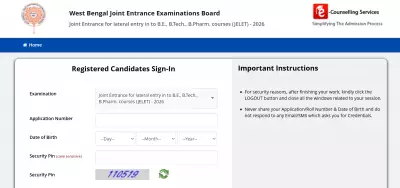
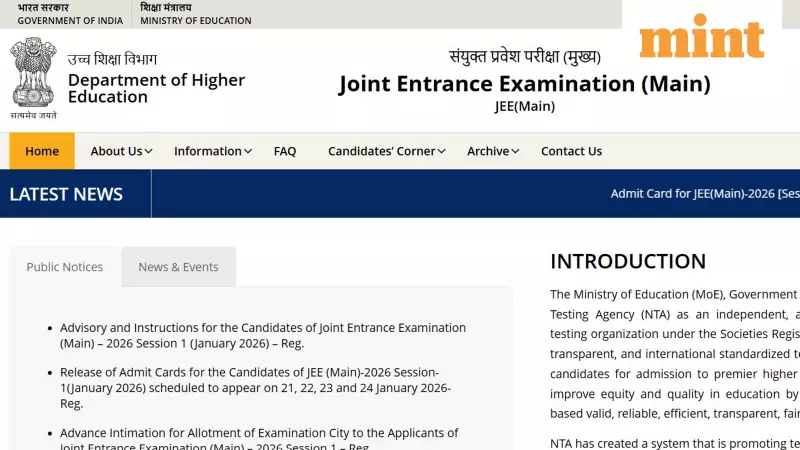
Once the results are officially announced, students will be able to access their scores and rank cards through the dedicated portal at jeemain.nta.nic.in. It is advisable for aspirants to keep their login credentials, such as application number and date of birth, handy to facilitate a smooth checking process.

JEE Main 2026 Shift 1 and Shift 2 Question Paper Analysis
Initial feedback from candidates who appeared for the JEE Main 2026 exams indicates a notable difference in difficulty levels between the two shifts. According to reports, the question paper for Shift 2, conducted on Thursday, was perceived as easier compared to Shift 1, which took place on Wednesday. This variation is common in multi-session exams to maintain fairness and balance in the evaluation process.
Delving deeper into the subject-wise analysis for Shift 2, Mathematics emerged as a relatively easy section, bringing relief to many test-takers. Physics, on the other hand, was described as moderate to tough, presenting a challenging yet manageable set of problems. Chemistry maintained a moderate difficulty level, aligning with expectations from previous years.
An interesting observation from the paper analysis is the distribution of questions based on the academic syllabus. Approximately 65% of the questions were derived from the Class 12 curriculum, while the remaining 35% originated from Class 11 topics. This emphasis on the senior secondary syllabus underscores the importance of thorough preparation in the final year of school.
JEE Main Answer Key 2026 and Objection Process
The official answer keys for JEE Main 2026 are yet to be released by the NTA. Once published, candidates will have the opportunity to review the keys and raise objections if they identify any discrepancies. The objection process is designed to ensure transparency and accuracy in the evaluation system.
To raise objections against the answer key, follow these step-by-step instructions:
- Visit the official JEE Main website and locate the link for the answer key objection window.
- Enter your login credentials, including application number and date of birth.
- Select the specific questions for which you wish to file objections.
- Upload supporting documents or evidence to justify your claims.
- Pay the requisite fee for processing the objections and submit your request.
It is crucial for candidates to act promptly within the stipulated timeframe, as the objection window typically remains open for a limited period. This process allows students to contest answers they believe are incorrect, potentially impacting their final scores and rankings.
What Candidates Should Do Next
While awaiting the results and answer keys, aspirants are advised to focus on their preparation for subsequent rounds, such as JEE Advanced, if applicable. Additionally, staying updated with official announcements from the NTA is essential to avoid missing critical deadlines. The JEE Main 2026 results will play a pivotal role in determining eligibility for further admissions processes, making this period crucial for engineering aspirants across India.