

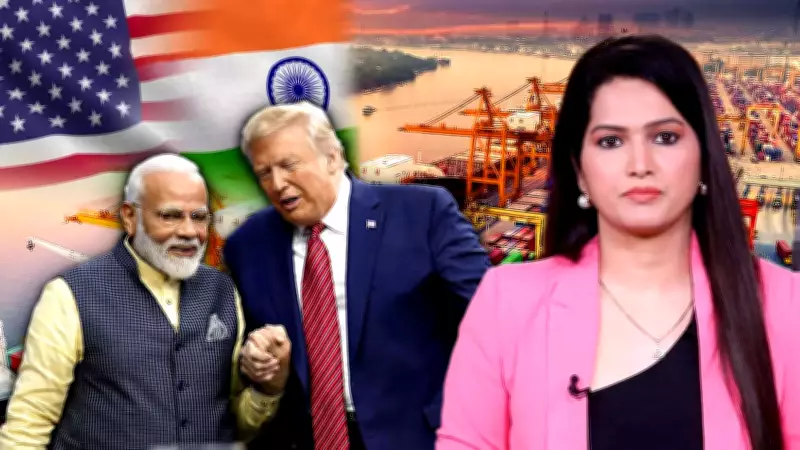
US Tariff Reduction Reshapes Asian Export Dynamics, India Emerges as Key Beneficiary
The landscape of Asian exports to the United States has undergone a significant transformation following the latest trade agreement between India and the US. This development has quietly but decisively altered the competitive hierarchy, with India emerging as the primary gainer in this strategic realignment.
India's Competitive Advantage in US Market
Under the terms of the new trade deal, tariffs on Indian goods entering the United States have been reduced to 18 percent. This substantial reduction provides New Delhi with a distinct competitive edge over other major Asian exporters including China, Pakistan, and Bangladesh in the crucial American market.
The tariff differential is particularly noteworthy when compared to India's regional competitors:

- China continues to face significantly higher duties on its exports to the United States
- Pakistan and Bangladesh maintain tariff levels above India's newly established 18 percent threshold
- This disparity creates a clear pricing advantage for Indian manufacturers and exporters
Implications for Global Supply Chains
For international buyers and procurement managers, this tariff reduction translates into tangible benefits. Lower duties mean that Indian goods become more affordable in the US market, while also offering greater predictability in sourcing decisions. This development aligns perfectly with Washington's broader strategy to diversify supply chains away from excessive dependence on China.
The timing of this agreement is particularly significant as global businesses continue to reassess their supply chain vulnerabilities and seek more resilient alternatives.
Strategic Considerations and Future Outlook
While the trade deal represents a clear victory for India's export ambitions, certain aspects require further clarification. Questions remain regarding oil purchase commitments and specific market access arrangements that were part of the broader negotiations.
Nevertheless, the immediate impact is unmistakable. India has successfully enhanced its trade positioning without making dramatic concessions, a testament to the country's growing economic leverage and diplomatic negotiating strength.
Several factors contribute to India's strengthened position:
- China faces ongoing trade pressure and scrutiny in international markets
- Regional competitors like Pakistan and Bangladesh struggle with scale limitations and concentration risks
- India's expanding manufacturing base and improving infrastructure make it increasingly attractive to global buyers
The fundamental mathematics of international trade tariffs has shifted in India's favor. As the global economic landscape continues to evolve, India stands positioned to capitalize on these changes, potentially accelerating its emergence as a manufacturing and export powerhouse in the coming years.






