Agricultural trade between the United States and India has witnessed a significant surge, with American farm exports reaching unprecedented levels even in the absence of a formal bilateral trade agreement. This remarkable growth comes amid ongoing negotiations and high-level claims about market access, yet the actual details of concessions remain unclear.
Record-Breaking US Exports to India
Data from January to November 2025 reveals that US agricultural exports to India soared to $2.85 billion, marking a substantial 34.1% increase compared to the $2.13 billion recorded during the same period in the previous year. Projections indicate that the total exports for the entire year are poised to exceed $3.1 billion, setting a new all-time high. This surge has played a pivotal role in narrowing America's agricultural trade deficit with India, which decreased from $3.5 billion to $3.1 billion during this timeframe.
Key Drivers of Export Growth
The expansion in US farm exports has been primarily fueled by three major commodity categories:

- Tree Nuts: Almonds and pistachios led the charge, with exports valued at over $1.3 billion from January to November 2025, reflecting a remarkable 32.2% growth from the $1.1 billion recorded in 2024.
- Cotton: US cotton exports benefited significantly from India's temporary duty-free import window from August 18 to December 31, 2025, before the duty was reinstated at 11% at the start of the new year.
- Soyabean Oil: Crude soyabean oil exports experienced a dramatic rise from virtually zero after India reduced its effective import duty from 27.5% to 16.5% effective May 31, 2025.
Uncertainties in Market Access
Despite the booming trade figures, it remains uncertain whether India has agreed to grant greater market access for several key American agricultural products. The specifics regarding concessions on corn, ethanol, soyabean, genetically modified produce, and dairy products derived from cows fed on specific ingredients have not been clarified. US Agriculture Secretary Brooke Rollins has expressed optimism that the recent trade deal announcement will facilitate increased exports of American farm products into India's vast market, potentially reducing the agricultural trade deficit further.
Ethanol Import Restrictions
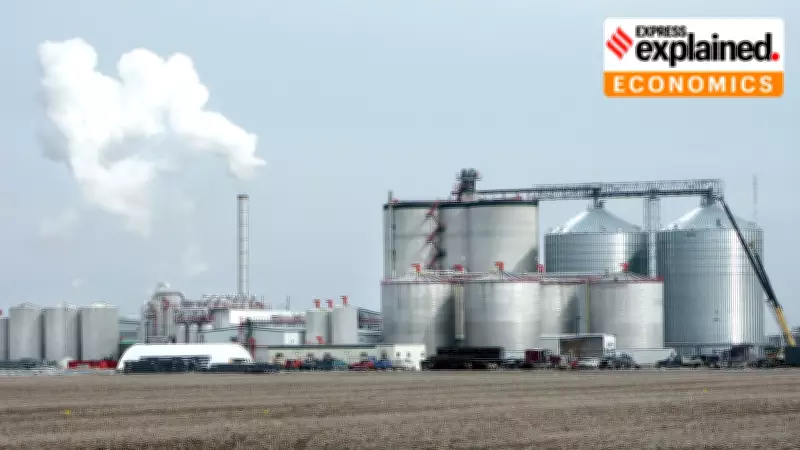
An area of particular interest is ethanol, where the US, as the world's largest producer and exporter, has been advocating for India to permit imports for fuel blending purposes. Currently, India only allows ethanol imports for non-fuel industrial uses, such as the manufacture of alcohol-based chemicals, beverages, or medicines. This restriction aligns with India's efforts to promote domestically-produced ethanol from sugarcane, maize, and rice as part of its biofuel initiatives.
Challenges for Indian Exports to the US
On the flip side, India's agricultural exports to the United States have faced considerable headwinds. While there was a modest 5.1% increase to $5.91 billion from January to November 2025, this growth was largely concentrated in the first half of the year. During July to November 2025, Indian exports declined by 13.6% to $2,441.6 million, compared to $2,825.9 million in the same period of 2024.
Impact of Trump Tariffs
The downturn in Indian exports can be attributed to the 50% tariffs imposed by the Trump administration, which include a 25% reciprocal duty and an additional 25% penalty linked to Indian imports of Russian oil. These tariffs have adversely affected most Indian export categories, with notable exceptions being seafood, processed fruits and vegetables, baked goods, and sweeteners. For instance, seafood exports, primarily frozen shrimp, saw a significant drop during the latter half of 2025.
The proposed reduction of these tariffs to 18%—comprising an 18% reciprocal tariff and potentially no Russian oil penalty—could offer some relief and help Indian exporters regain lost market share in the US.

Future Prospects and Negotiations
As trade dynamics evolve, the focus now shifts to the extent of concessions India might offer on tariff and non-tariff barriers for other US agricultural products where America holds substantial export interests. The ongoing dialogue will be crucial in shaping the future trajectory of bilateral farm trade, balancing economic interests with domestic agricultural policies.