In a move with significant implications for global trade and energy security, former US President Donald Trump has endorsed a legislative proposal that could dramatically escalate economic pressure on Russia. The proposed bill, if passed, would grant the US President sweeping authority to impose tariffs of up to 500% on all imports from Russia, including key commodities like oil, steel, and aluminum.
The Sanctions Bill and Presidential Powers
The core of the proposed legislation is the "Resilient International Manufacturing Act" (RIMA). This act would empower the US President to declare a national emergency concerning Russia's industrial base and, subsequently, levy tariffs on a wide range of Russian goods. While the bill is designed to cripple Russia's war-funding capabilities by targeting its export revenue, its broad language creates a direct collision course with nations like India that have maintained economic ties with Moscow.
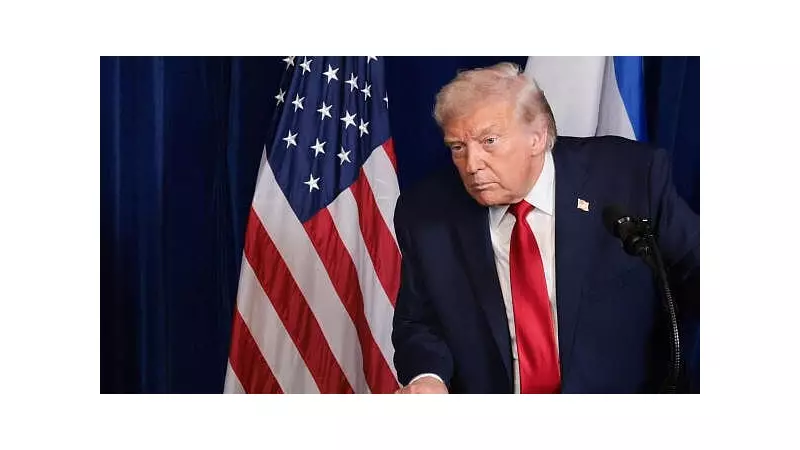
Donald Trump, the presumptive Republican nominee for the 2024 presidential election, has publicly given his "green light" to this aggressive legislative approach. His support significantly increases the bill's political momentum, especially if he secures a return to the White House. The move signals a potential return to the unilateral and hardline trade policies that characterized his first term.

India's Strategic Dilemma: Russian Oil in the Crosshairs
This development places India in a precarious position. Since the onset of the Ukraine conflict, India has strategically increased its purchases of discounted Russian crude oil, transforming Russia into its top oil supplier. This move has been crucial for managing domestic inflation and energy costs. However, it has also been a persistent point of diplomatic friction with Western allies, particularly the United States.
The proposed 500% tariff mechanism does not explicitly name India, but it creates a powerful tool to target and potentially disrupt the flow of Russian oil to global markets. The US could use these tariffs to pressure third countries, effectively forcing them to choose between accessing the US market or continuing energy trade with Russia. For India, which has deftly balanced relations with both Washington and Moscow, this presents a formidable strategic and economic challenge.
Key facts from the original report:
- The bill is known as the "Resilient International Manufacturing Act" (RIMA).
- It allows for tariffs of up to 500% on all Russian imports.
- Donald Trump has endorsed the bill, stating, "I like that policy."
- The primary aim is to degrade Russia's industrial and military capacity.
- India's significant oil purchases from Moscow are a potential secondary target.
Broader Implications and Global Trade Tensions
The ramifications of this proposed policy extend far beyond bilateral relations. Firstly, it threatens to inject new volatility into global energy markets, potentially driving up prices worldwide if a major buyer like India is forced to seek alternative, more expensive suppliers. Secondly, it represents a stark escalation in the use of trade as a geopolitical weapon, setting a precedent that could reshape international economic alliances.
For the Indian government, the clock is ticking. New Delhi must now engage in proactive and high-level diplomacy to articulate its position and seek assurances. It may also need to accelerate plans for diversifying its energy sources and bolstering payment mechanisms that can withstand external financial pressure. The situation underscores the fragile nature of India's multi-alignment foreign policy in an increasingly polarized world.
In conclusion, Donald Trump's endorsement of the RIMA bill has turned a legislative proposal into a clear and present danger for India's energy strategy. The specter of 500% tariffs looms as a potential tool to force a recalibration of India-Russia trade, presenting Prime Minister Narendra Modi's administration with one of its most delicate geopolitical tightropes to walk in recent years. The coming months will be critical in determining whether diplomacy can find a path forward or if a new front in the economic war over Ukraine is about to open.