

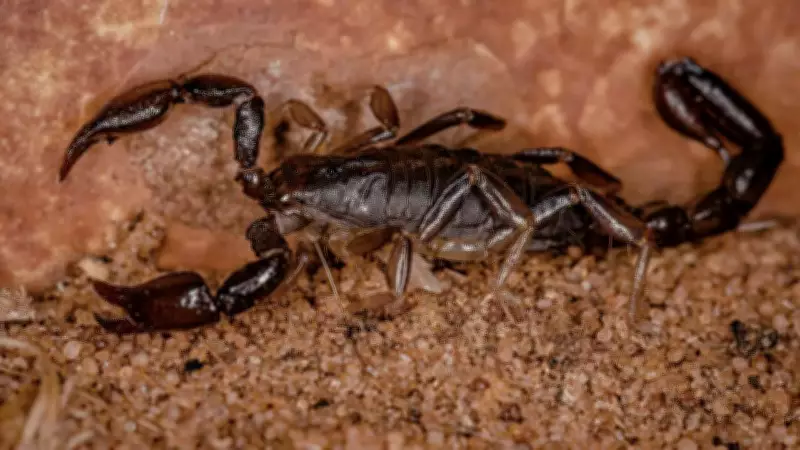
The Gentle Giant: India's Giant Forest Scorpion
Scorpions often evoke fear with their spiked tails and large pincers, but not all are dangerous. The giant forest scorpion, native to India, stands out as a prime example of a harmless species. Growing up to nine inches long—almost the size of a standard ruler—this arachnid defies expectations with its docile behavior and mild venom.
Habitat and Nocturnal Lifestyle
These scorpions inhabit tropical forests in India, often occupying crab holes, termite mounds, and rat burrows rather than building their own. As nocturnal creatures, they spend nights hunting insects and small prey, showcasing their adaptability in diverse environments.
Ancient Origins and Unique Adaptations
Dating back to before the dinosaurs, giant forest scorpions have evolved remarkable survival traits. They glow under ultraviolet light, perform intricate mating dances, and use specialized organs called pectines to sense their surroundings. These adaptations compensate for poor eyesight, making them highly aware of vibrations and chemical changes.

Behavior and Social Complexity
Despite their intimidating appearance, these scorpions are among the most docile species. They defend themselves cautiously, using claws first and only stinging if necessary. Their venom is rarely harmful to humans, leading some enthusiasts to keep them as pets. Observations reveal slow, deliberate movements that reflect a calm confidence.
Mating and Parental Care
Male scorpions engage in elaborate dances before mating, gripping females' claws to coordinate sperm sac placement. Females carry their young until they are independent, highlighting a surprisingly complex social life. This behavior underscores that even fearsome-looking creatures can exhibit intricate care and interaction.
In summary, the giant forest scorpion offers a fascinating glimpse into the world of arachnids, blending ancient resilience with gentle nature. Its unique traits and harmless demeanor make it a captivating subject for study and even pet ownership.






