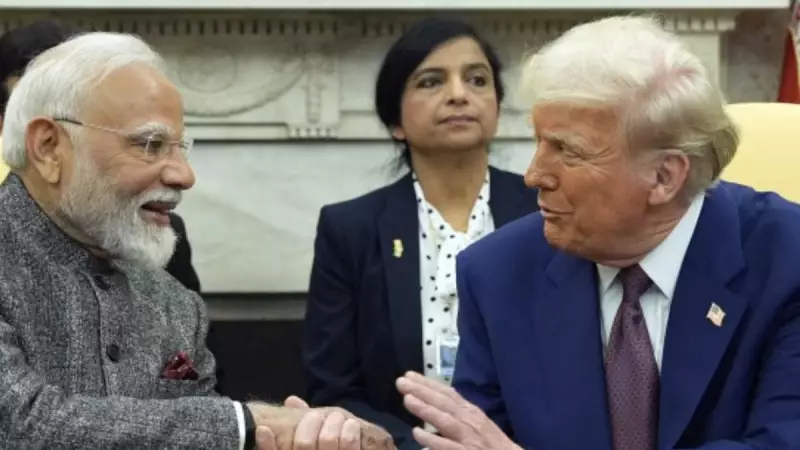
Former United States President Donald Trump has made fresh comments regarding India, stating that while he shares a good personal rapport with Prime Minister Narendra Modi, he is not pleased with the country's tariff policies. The remarks, which highlight ongoing trade tensions, were made during a recent interaction and have sparked discussions about the future of bilateral economic relations.
Trump's Stance on Trade and Tariffs
Donald Trump, who is a leading contender for the Republican presidential nomination in the upcoming US elections, did not mince words when discussing international trade. He explicitly pointed out that India imposes very high tariffs on American products, a practice he finds unacceptable. This criticism is consistent with his long-standing 'America First' trade policy, which he championed during his previous term from 2017 to 2021.
Trump emphasized that the United States often gets "unfairly treated" in trade deals, and India's tariffs are a prime example. He argued that these barriers make it difficult for American goods, including iconic products like Harley-Davidson motorcycles, to compete effectively in the Indian market. His comments suggest that if he returns to the White House, addressing this trade imbalance with India will be a priority.

The Context of the 'Good Relationship' with PM Modi
Despite the pointed criticism on trade, Trump was careful to acknowledge the strong personal diplomacy he shares with Indian leader Narendra Modi. He described their relationship as "good," reflecting the visible camaraderie witnessed during high-profile events like the 'Howdy, Modi' rally in Houston and Modi's subsequent visit to the US.
This distinction is crucial. It separates the interpersonal rapport between the two leaders from the structural issues in bilateral trade. Trump's approach indicates he views the tariff dispute as a policy matter to be negotiated, rather than a personal rift. However, his history of leveraging tariffs as a primary tool for negotiation signals potential tough talks ahead for Indian trade officials.
Potential Implications for India-US Trade Relations
The former president's latest statements carry significant weight for future India-US economic engagement. A potential second Trump administration could mean a renewed and more aggressive push to reduce the US trade deficit with India. This might involve threats of retaliatory tariffs or pressure to dismantle trade barriers on a range of goods, from agricultural products to manufactured items.
For India, which has historically used tariffs to protect its domestic industries and farmers, this presents a complex challenge. The government will need to balance its strategic and defense partnership with the US against economic sovereignty and the interests of local producers. The outcome of the 2024 US presidential election is now a key variable for Indian trade policymakers to watch closely, as Trump's return could herald a shift from diplomatic engagement to harder-nosed economic bargaining.
In conclusion, Donald Trump's comments underscore a persistent friction point in an otherwise strengthening partnership. While the strategic and personal bonds between the two nations' leaders remain robust, the issue of equitable trade looms large. The coming months will reveal how both sides navigate these competing priorities of friendship and economic interest.