In a landmark achievement for the Indian automobile industry, vehicles with a direct connection to India now command a staggering 50% share of the new passenger vehicle market in South Africa. This remarkable feat, reported for the year 2024, is primarily driven by the formidable performance of homegrown giants Tata Motors and Mahindra & Mahindra.
The Driving Forces Behind the Market Conquest
The data reveals a clear picture of dominance. Tata Motors emerged as the second-largest car seller in South Africa for 2024, trailing only behind the Japanese behemoth Toyota. The Indian automaker sold an impressive 42,372 units, capturing a significant 18.5% of the market. Close on its heels was its domestic rival, Mahindra & Mahindra, which secured the fourth position with sales of 28,105 units, accounting for a 12.3% market share.
When combined, the market share of these two Indian powerhouses alone crosses 30%. The remaining share that contributes to the "Indian connection" half comes from vehicles manufactured in India by global brands for export. A prime example is the Volkswagen Group, which exports India-made models like the Taigun and Virtus to South Africa. This export strategy from Indian plants has bolstered the overall footprint of "Made in India" cars on South African roads.

Why South African Buyers Are Choosing Indian Brands
The success story is not accidental. Analysts point to a powerful combination of factors that have resonated deeply with South African consumers. First and foremost is the strong value proposition offered by both Tata and Mahindra. Their vehicles are competitively priced, offering robust features, modern design, and a perception of durability that suits local conditions.
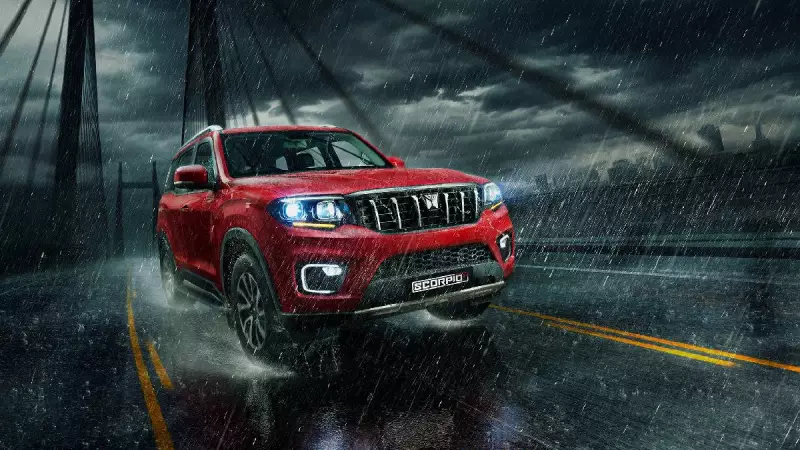
Secondly, both companies have invested heavily in expanding their product portfolios specifically for the market. Tata Motors offers a wide range, from the popular Nexon and Punch SUVs to the efficient Tiago and Altroz. Mahindra has found success with its rugged Scorpio and XUV700 models, which appeal to buyers seeking capable and spacious vehicles.
Furthermore, a critical element of their strategy has been building a reliable sales and service network. Establishing trust through accessible after-sales service and parts availability has been paramount in convincing new buyers to choose these Indian brands over established competitors.
A Strategic Export Hub and Future Implications
South Africa serves as a strategic springboard for Indian automakers into the wider African continent. The country's developed automotive ecosystem and consumer base make it an ideal testing ground and regional hub. The phenomenal success in 2024 underscores India's evolving role from a large domestic market to a major global exporter of passenger vehicles.
This trend has significant implications. It highlights the growing international competitiveness of Indian automotive engineering and manufacturing. The ability to design and produce vehicles that meet the safety, quality, and aspirational demands of a mature market like South Africa is a testament to the industry's progress.
For South Africa, the influx of well-priced, feature-rich Indian vehicles increases choice for consumers and intensifies competition, which can lead to better value across the board. The rise of Tata and Mahindra also diversifies the market, which has long been led by Japanese, European, and Korean manufacturers.
The 50% milestone is more than just a sales figure; it is a strong indicator of the global arrival of the Indian automobile sector. As Tata, Mahindra, and other manufacturers continue to innovate and expand their global reach, the "Indian connection" on roads worldwide is poised to grow even stronger.