

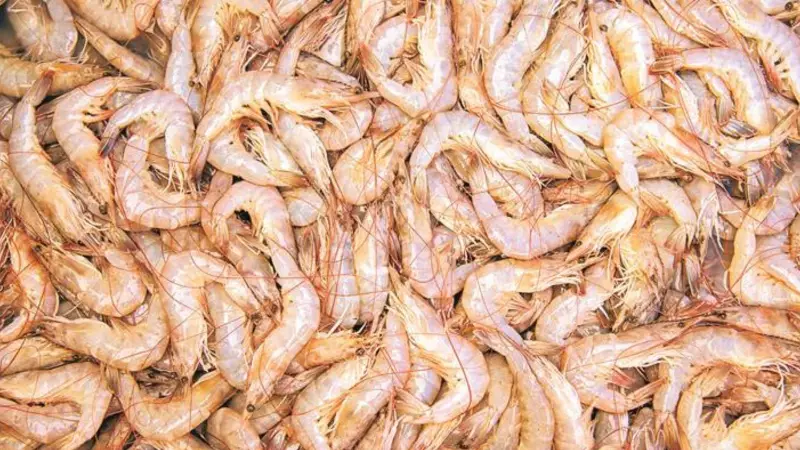
From Brick Kilns to Shrimp Ponds: A Sonipat Transformation
In a remarkable career shift, former brick manufacturers in Sonipat are turning to shrimp farming, attracted by government subsidies and promising returns. The story of Sunil Kumar and Pradeep represents a growing trend in Haryana where traditional occupations are making way for aquaculture ventures.
Sunil Kumar, 44, decided to abandon his brick manufacturing business approximately two years ago when multiple challenges converged. The land lease expired, clay prices increased substantially, and labor costs became prohibitive, making the labor-intensive business unsustainable.
Government Push Makes Aquaculture Accessible
Several state governments across India, including those without traditional fish farming backgrounds, are actively promoting shrimp aquaculture. The Pradhan Mantri Matsya Sampada Yojana (PMMSY) has been instrumental in increasing subsidy levels, with Haryana's Fisheries Department enhancing support from 20% to 60% for various activities including pond excavation, renovation, and development of waterlogged areas.

Yogesh Sharma, fisheries officer with the Haryana Fisheries Department, recalls meeting the duo during a land auction in 2023. "This land was barren and covered with bushes before they took it on lease. After preparing the pond and installing necessary systems, they started shrimp culture," Sharma notes.
The financial benefits have been substantial for the new entrepreneurs. Last year, farming on 8.5 acres involved production costs of approximately Rs 90 lakh, with sales reaching Rs 96 lakh. After receiving a subsidy of about Rs 30 lakh, their net earnings amounted to Rs 36 lakh. The subsidy effectively covered their machinery and major capital expenses, which totaled around Rs 50 lakh.
High Investment Requirements and Unique Conditions
Despite the attractive subsidies, shrimp farming demands significant initial investment. Sharma explains that entrepreneurs need at least one acre of land and an initial investment between Rs 8 to 10 lakh. This covers pond construction, aerators, and tubewell installation.
Haryana has achieved a distinctive position in aquaculture as the first landlocked state in India to utilize inland underground saline water for white shrimp (Litopenaeus vannamei) culture. The specific water conditions limit production exclusively to white shrimp varieties.
US Tariffs Create New Challenges
Recent tariff changes in the United States have introduced significant pressure on Indian shrimp exporters. With an additional 25% tariff imposed, Indian exporters now face nearly 60% in combined tariffs and duties. This development is particularly concerning since the US remains India's most crucial shrimp market, accounting for 41% of export volume and 48% of value in FY 2024-25.
"Prices are down by about Rs 52 to Rs 55 per kg compared to last year. We cannot store shrimp for extended periods, leaving us no option but to sell at lower rates," Pradeep explains. He adds that shrimp sized at 30 pieces per kg, which were exported to the US last year, now face waiting periods exceeding one week as American buyers reduce purchases.
Despite these challenges, Pradeep and Sunil have managed to avoid wastage by selling to buyers from Andhra Pradesh who process and export to alternative markets.
Gradual Growth in Sonipat District
Sharma reports steady progress in Haryana's shrimp production, though Sonipat district is still developing its scale. Output increased from 71.07 metric tons in FY 2022-23 to 96.5 metric tons in FY 2024-25. The area under cultivation expanded significantly from 27.74 hectares to 68.75 hectares during the same period.
The number of farmers engaged in shrimp culture has doubled from eight to sixteen, indicating growing interest in the sector. Fisheries officials believe that the visible success of pioneers like Pradeep and Sunil, combined with continued government support, will encourage more farmers in Sonipat to explore shrimp aquaculture as a viable alternative to traditional occupations.






