

Short Shelf Life Major Hurdle for Bengal GI Product Exports, APEDA Official Reveals
Kolkata: The limited shelf life of several popular Geographical Indication (GI)-tagged products from West Bengal has emerged as a significant barrier to expanding their export potential, according to a senior official from the Agricultural and Processed Food Products Export Development Authority (APEDA). This critical insight was shared following the GI Connect 2026 event, organized collaboratively by the Confederation of West Bengal Trade Association (CWBTA) and APEDA.
Current Export Landscape for Bengal's GI Treasures
The APEDA official elaborated that while select GI products from Bengal, including Darjeeling Mandarin, Bardhaman's Sitabhog, Bardhaman's Mihidana, rasogolla, Baruipur Guava, and Joynagorer Moa, are currently being exported to markets in the Middle East, the volumes remain relatively low. Additionally, many of these items are seasonal, further complicating consistent international trade flows.
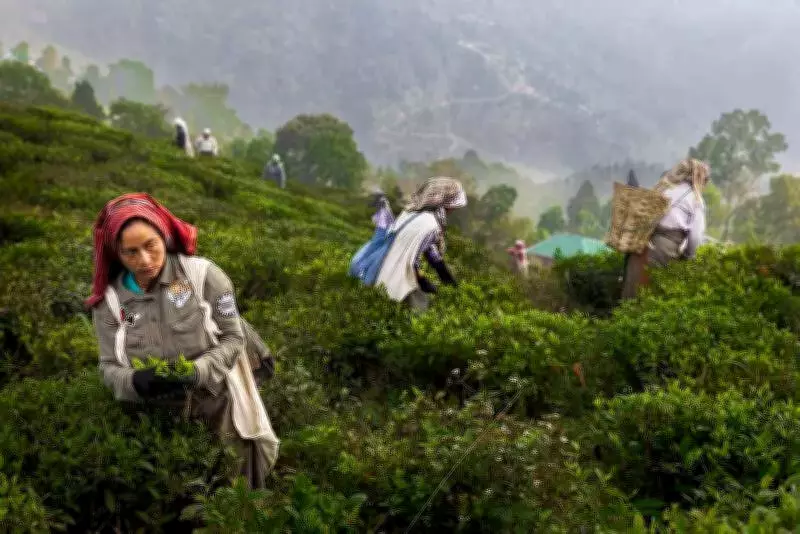
Among the most prominent GI exports from the region are the world-renowned Darjeeling Tea and Gobindobhog rice. However, the official emphasized that the broader category of traditional sweets and snacks faces a pressing challenge: an extremely short shelf life.

The Critical 7-8 Day Window
"The general shelf life of products such as moa, mihidana, and rasogolla does not exceed 7-8 days," the official stated. "Consequently, in the context of export, the available timeframe for marketing and distribution is severely constrained. There is an urgent need to focus on extending this shelf life to unlock greater global opportunities."
This brief window significantly limits the ability to ship these perishable goods over long distances and still ensure they reach consumers in optimal condition, directly impacting export scalability.
Packaging Identified as a Key Solution
Echoing this concern, Bidhan Das, Joint Director and Branch Head of the Indian Institute of Packaging, highlighted that shelf life is largely dependent on advanced packaging technologies. "We have previously undertaken research and development initiatives for products like Joynagorer Moa, mihidana, and nalen gur, among others," Das noted. "However, sustained and intensified efforts are required to develop more robust, preservation-enhancing packaging solutions specifically tailored for these delicate GI items."
Improved packaging could potentially extend product freshness, reduce spoilage during transit, and make these Bengali delicacies more viable for international markets.
Industry Calls for Streamlined Export Processes
Adding to the discourse, Manish Khandelwal, President of the Bengal Rice Mill Association, advocated for smoother regulatory pathways. He stressed that GI products should benefit from seamless and expedited clearance procedures for export, minimizing bureaucratic delays that could further eat into the already limited shelf life.
This collective perspective from APEDA, packaging experts, and industry representatives underscores a multi-faceted approach is needed—combining technological innovation in packaging with supportive trade policies—to overcome the shelf-life impediment and boost the global footprint of Bengal's rich culinary heritage.






