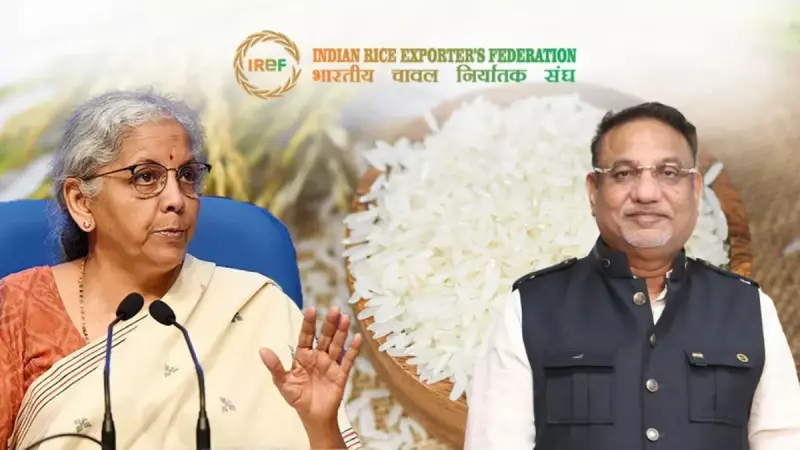
As the Union Budget 2026 approaches, India's rice export sector is making a strong plea to the government for significant fiscal and logistical support. The aim is to sharpen the industry's competitive edge in the challenging global market.
Core Demands for a Competitive Boost
The All India Rice Exporters Association (AIREA) has formally submitted its pre-budget memorandum to the Finance Ministry. The central request is for a reduction in the income tax rate for rice exporters to 15%, down from the current corporate tax rate of 25%. This proposed tax relief is seen as a crucial measure to free up capital for reinvestment into the business.
Beyond direct taxation, the exporters are seeking substantial support on logistics. A key proposal is the reintroduction of the Transport and Marketing Assistance (TMA) scheme. This scheme would provide vital freight support, helping to offset the high costs of transporting rice from mills in states like Punjab and Haryana to major export ports such as Kandla and Mundra.

Addressing Global Market Pressures
The push for these measures is not without urgency. Indian rice exporters are facing stiff competition from other major rice-exporting nations. Countries like Thailand, Vietnam, and Pakistan often benefit from more aggressive government support, allowing them to offer lower prices in international markets.
This competitive disadvantage is exacerbated by India's own domestic policies. The government's priority to ensure ample and affordable rice supplies within the country, through procurement and public distribution, can sometimes limit the quantity available for export at competitive rates. The industry argues that strategic budgetary support is essential to navigate these dual pressures and maintain India's position as a leading rice exporter.
Potential Impact and Industry Outlook
If accepted, the proposed measures could have a transformative effect on the sector. The combination of tax relief and freight support would directly lower the cost of doing business. This would enable Indian exporters to price their products more competitively against rivals from Southeast Asia.
The industry's appeal underscores a critical junction for India's agricultural trade. With global food trade dynamics constantly shifting, the Budget 2026 presents an opportunity for the government to implement policies that bolster export-oriented agriculture. The decisions made could determine whether Indian rice retains and expands its international market share or cedes ground to subsidized competitors.
The final verdict will come when Finance Minister Nirmala Sitharaman presents the full Union Budget for the fiscal year 2026-27. The rice export sector, along with broader agri-business, will be watching closely to see if their calls for enhanced competitiveness are heeded.