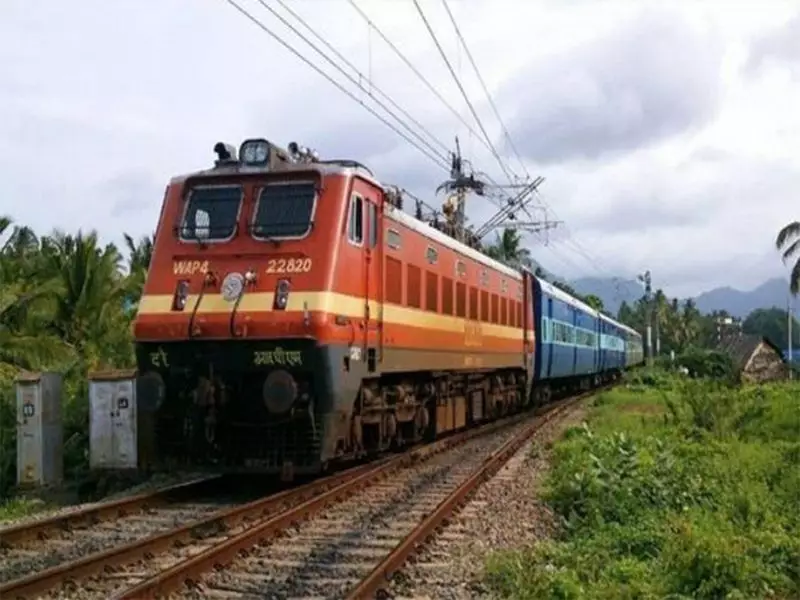
In a transformative move set to redefine long-distance travel, Indian Railways has unveiled an ambitious plan to significantly enhance its network capacity. The national transporter aims to double the train origination capacity from 48 major cities across the country by the year 2030. This strategic initiative is designed to tackle chronic congestion, improve service frequency, and cater to the burgeoning demand for rail travel.
The Core of the Plan: Decongesting Key Hubs
The blueprint focuses on identifying and upgrading pivotal junctions that currently act as bottlenecks. By augmenting the number of trains that can originate from these cities, Railways intends to create a more fluid and efficient network. The plan is a critical component of the larger ‘Mission 3000 MT’ (Million Tonnes) freight loading target, as freeing up passenger train congestion directly creates pathways for more freight movement.
Officials have clarified that this does not merely mean adding new trains to existing saturated routes. Instead, the strategy involves comprehensive infrastructure development. This includes constructing additional pit lines and stabling lines at these originating stations. Pit lines are essential for the cleaning, maintenance, and preparation of rakes before their next journey, while stabling lines provide parking space. Increasing these facilities is fundamental to handling a greater number of train sets efficiently.

Infrastructure Push and City Impact
The selection of the 48 cities is based on their current role as major traffic originators and their future growth potential. While the official list encompasses metros and other major urban centers, the plan will have a cascading positive effect on connected towns and regions. Enhanced origination capacity from a hub like Delhi, Mumbai, Kolkata, Chennai, or Bengaluru will improve connectivity to numerous secondary destinations.
The execution of this plan is intertwined with other mega projects. The development of dedicated freight corridors (DFCs) is a key enabler. As freight traffic shifts to these separate high-capacity routes, it will liberate immense space on the existing conventional lines. This freed-up capacity will then be utilized for running more passenger trains, including premium services like Vande Bharat and new passenger expresses originating from these 48 cities.
Senior railway officials have emphasized that the target is to increase the count of originating mail/express trains from these locations by 100% within the next six years. This will be achieved through a mix of new line constructions, yard redevelopments, and the adoption of advanced operational technologies.
Broader Implications for Passengers and Economy
For the average passenger, this expansion promises tangible benefits. Commuters can look forward to:
- Better ticket availability: More trains mean more seats, potentially easing the struggle for confirmed tickets, especially during peak seasons.
- Improved frequency: Popular routes will see trains at more convenient intervals, offering greater flexibility in travel planning.
- Reduced travel time: With less congestion on main lines, trains can maintain schedules better, leading to more punctual and potentially faster journeys.
Economically, the project is a massive stimulus for infrastructure and related industries. It will generate employment and boost demand for materials like steel and cement. Furthermore, by improving the efficiency of both passenger and freight movement, it will enhance logistical competitiveness, reduce costs for businesses, and contribute to overall economic growth.
The 2030 deadline sets a clear timeline for this monumental task. While challenges in land acquisition and project execution remain, this plan marks a decisive shift from ad-hoc additions to a systematic, capacity-driven approach for the future of Indian Railways. The success of this initiative will be a cornerstone in achieving a modern, high-capacity railway system ready to meet India's aspirations.