The proposed Free Trade Agreement (FTA) between India and New Zealand has hit a significant political roadblock in Wellington. The right-wing New Zealand First (NZF) party, a crucial member of the country's ruling coalition, has declared its opposition to the deal, labeling it as neither free nor fair for New Zealand.
NZ First Leader Winston Peters Voices Strong Opposition
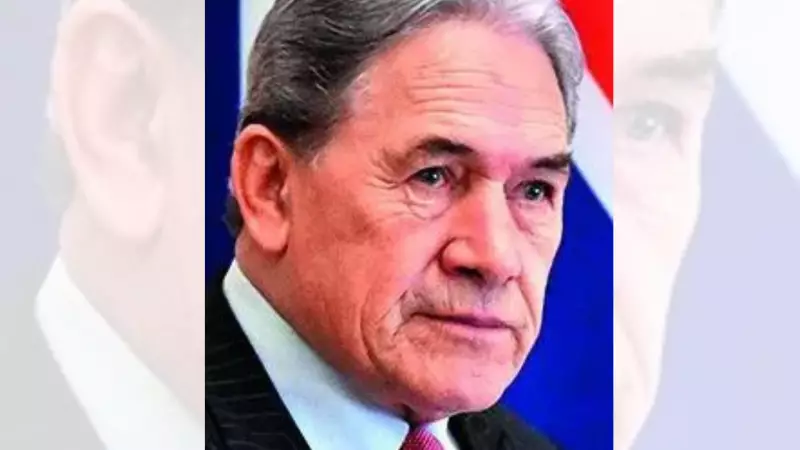
Winston Peters, who serves as both the leader of NZ First and New Zealand's Foreign Minister, stated his party would vote against the enabling legislation when it is introduced in Parliament. He expressed strong criticism of the agreement's terms, particularly concerning market access for New Zealand's vital dairy sector.
"Regrettably, this is a bad deal for New Zealand," Peters said. He argued that the pact concedes too much, especially on immigration rules, while failing to secure adequate benefits for New Zealanders, with dairy being a primary point of contention.

Dairy Exclusions and Tariff Barriers at Core of Dispute
According to Peters, a major flaw in the agreement is that while New Zealand would open its market fully to Indian goods, India would not substantially reduce the high tariff barriers currently imposed on New Zealand's key dairy exports. He highlighted that this would make the India FTA New Zealand's first trade pact to exclude major dairy products like milk, cheese, and butter.
The value of these exports is substantial. In the year leading up to November 2025, New Zealand's exports of these dairy products were worth approximately $24 billion, accounting for a significant 30% of the country's total goods exports.
Political Landscape and Support from Labour Party
Despite the opposition from the coalition partner NZ First, reports indicate that New Zealand's main opposition party, the Labour Party, is likely to support the legislation when it comes before Parliament. This creates a complex political dynamic where the government may rely on opposition support to pass the trade deal that a part of its own coalition rejects.
The future of the agreement now hinges on navigating these domestic political challenges in New Zealand. The strong stance taken by NZ First, a party holding influence in the coalition government, introduces considerable uncertainty for the timeline and final form of the India-New Zealand FTA.