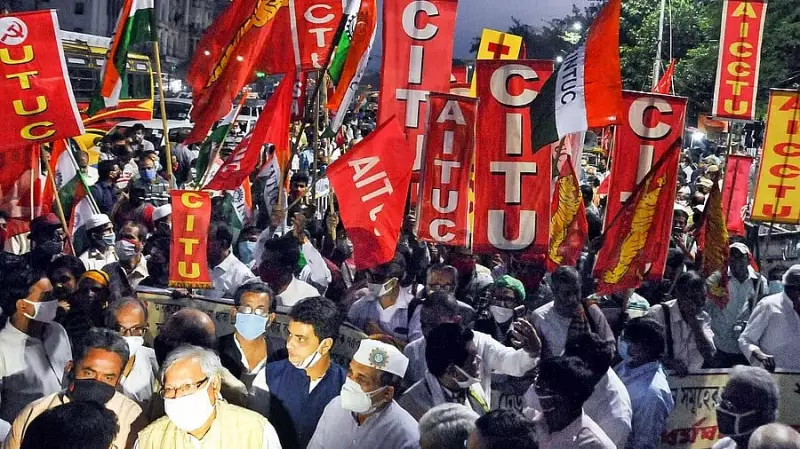
India is set to witness a major nationwide strike on February 12, 2024, as ten central trade unions have jointly called for a massive protest. The primary demand is the immediate rollback of the four new labour codes passed by the Parliament. The unions have declared this a day of national resistance against policies they claim are anti-worker and anti-people.
Core Demands and Widespread Participation
The call for the nationwide strike on February 12 has been issued by a united front of ten prominent central trade unions. These include INTUC, AITUC, HMS, CITU, AIUTUC, TUCC, SEWA, AICCTU, LPF, and UTUC. They are joined by various independent sectoral federations and associations representing a wide spectrum of the workforce.
The unions have laid out a charter of demands, with the scrapping of the four labour codes at the forefront. They argue that these codes will severely undermine job security, reduce social security benefits, and give excessive power to employers. Beyond the labour laws, the protest agenda includes several other critical issues:

- Stopping the privatization of public sector undertakings, including those in the strategic sectors like railways, defense, and financial services.
- Halting the proposed move to privatize the pension system under the National Pension System (NPS) and reverting to the old pension scheme.
- Providing a universal social security cover for all workers in the unorganized sector.
- Reducing the skyrocketing prices of essential commodities and petroleum products.
- Increasing the allocation for the rural employment guarantee scheme (MGNREGA) and expanding its scope.
- Ensuring a minimum wage of at least Rs 26,000 per month.
Background of the Labour Code Dispute
The genesis of this large-scale protest lies in the government's consolidation and amendment of 29 central labour laws into four comprehensive codes. These are the Code on Wages, 2019; the Industrial Relations Code, 2020; the Occupational Safety, Health and Working Conditions Code, 2020; and the Code on Social Security, 2020.
While the government maintains that these reforms will simplify compliance, attract investment, and extend social security to more workers, the trade unions hold a starkly different view. They contend that the codes tilt the balance heavily in favor of corporations by easing rules for hiring and firing, increasing working hours, and diluting the power of trade unions. The unions have been opposing these codes since their introduction and see the upcoming strike as a crucial escalation of their movement.
Expected Impact and National Response
The all India strike is expected to disrupt normal life across multiple states and sectors. Banking, insurance, public transport, manufacturing, and port operations are likely to face significant interruptions. Workers from coal, steel, oil, telecom, and various government services are expected to participate in large numbers. The strike may also affect the functioning of markets and commercial establishments in many parts of the country.
The unions have planned extensive mobilization in the run-up to the strike date, holding demonstrations and rallies to build momentum. This protest represents one of the most significant collective actions by the organized workforce in recent years, highlighting the deep-seated anxieties over the changing landscape of labour laws in India. The outcome of this showdown could have lasting implications for industrial relations and economic policy in the country.