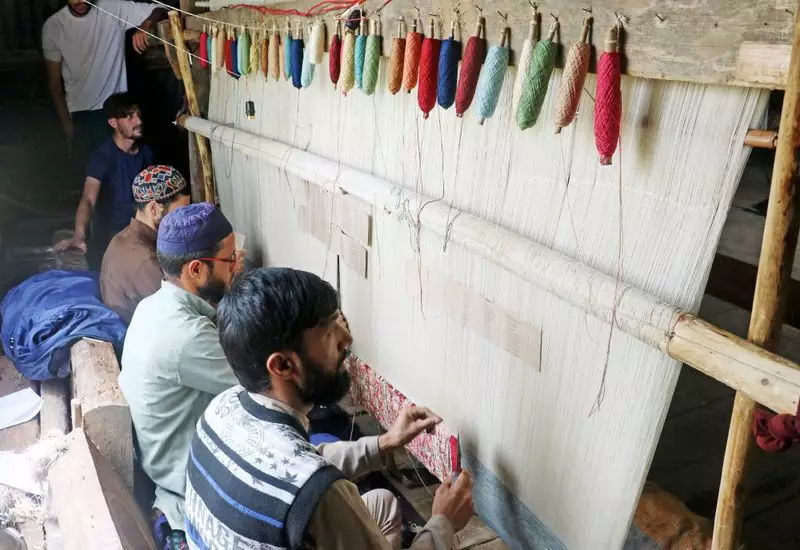
The once-thriving carpet industry of Jammu and Kashmir is facing a severe existential threat, caught in a pincer movement of collapsing exports and a rising tide of counterfeit products. This double blow has pushed the traditional handicraft sector, a vital source of livelihood for thousands, to the brink of crisis.
A Steep Decline in Global Demand
Official data paints a grim picture for the union territory's signature export. Carpet exports from Jammu and Kashmir have witnessed a staggering decline of approximately 40% over the last five to six years. Industry experts and stakeholders point to a complex web of international and domestic factors behind this sharp downturn.
The global economic slowdown, particularly in key Western markets, has significantly dampened demand for luxury handmade items. Furthermore, geopolitical tensions and shifting trade policies have disrupted traditional export routes. The industry, which once proudly supplied the world with its intricate 'Kaleen', is now struggling to find buyers, leading to massive stockpiles and financial distress for manufacturers and weavers alike.

The Menace of Counterfeit Kashmiri Carpets
Compounding the export crisis is the rampant proliferation of counterfeit products. Cheap machine-made imitations from other states and even countries are being passed off as authentic hand-knotted Kashmiri carpets in both domestic and international markets.
These fake products severely undercut the genuine artisans on price, misleading customers and tarnishing the prestigious brand value of 'Kashmiri Carpets'. The lack of a robust, enforceable Geographical Indication (GI) tag mechanism and ineffective market monitoring have allowed this practice to flourish, eroding the market share and reputation of the real craftspeople.
Weavers Bear the Brunt, Urgent Measures Needed
The cascading effects of these challenges are felt most acutely by the skilled weavers, the backbone of the industry. With orders drying up, many weavers are being forced to abandon their ancestral craft in search of daily wage labor to sustain their families. This exodus threatens not just an economic sector but an intangible cultural heritage passed down through generations.
Industry leaders are issuing an urgent call for government intervention. Their key demands include:
- Financial Support: Immediate relief packages and easy-access loans for manufacturers and weavers to survive the current slump.
- Marketing & Promotion: Aggressive global marketing campaigns, facilitated by the government, to reintroduce and re-establish genuine Kashmiri carpets in the international marketplace.
- Combating Fakes: Stronger enforcement of the GI tag, stringent action against counterfeiters, and consumer awareness drives to distinguish real hand-knotted carpets from machine-made fakes.
- Skill Preservation: Initiatives to train and retain the next generation of weavers, ensuring the craft's survival.
The situation demands a concerted effort from both the UT administration and the central government. Without prompt and decisive action to boost exports and protect the industry's intellectual property, the future of Jammu and Kashmir's iconic carpet weaving tradition hangs in the balance. The survival of this centuries-old craft is crucial for the region's economy and cultural identity.