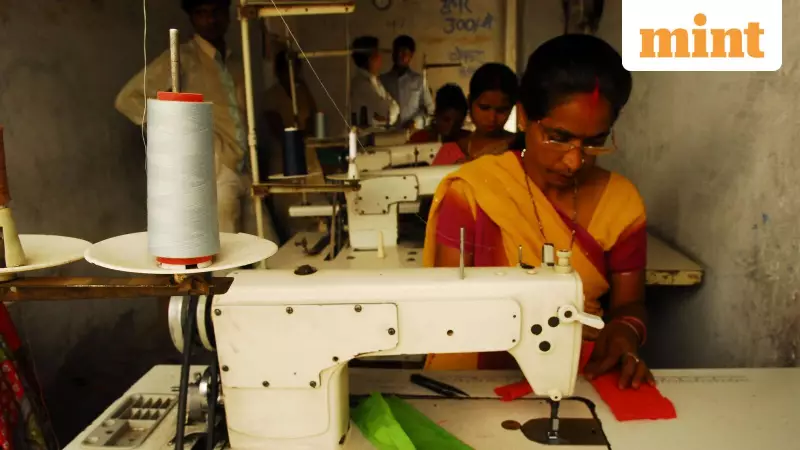
Russia is rapidly transforming into a key destination for India's blue-collar workforce, mirroring the Gulf boom of the past. Facing a severe demographic crunch and the impacts of the Ukraine war, the Eurasian nation is actively recruiting skilled Indian professionals like welders, tailors, carpenters, and steel fixers in large numbers.
Soaring Demand for Indian Skills
Recruitment agencies specializing in overseas placements report a striking 60% increase in the hiring of Indian workers for Russia over the last four years. This growth is poised to accelerate following the landmark labour mobility agreement signed between the two long-time partners in October 2024.
Siddhartha Mallick, co-founder of Globeskills International Pvt. Ltd, illustrates the surge: "We used to send 300 welders annually to the oil and gas sector from 2018 to 2021. Now, we send 500 every year, and future demand looks even stronger." He notes that Russian companies now seek tailors, carpenters, steel fixers, welders, and insulators in bulk.

The Drivers: Demographics, War, and Diplomacy
The primary engine behind this demand is Russia's ageing and declining population. With a total fertility rate of approximately 1.41 children per woman, far below the replacement level, the country faces a stark labour shortfall. Russian Labour Minister Anton Kotyakov stated in July that the nation needs to add 11 million workers by 2030.
The Ukraine conflict has exacerbated this shortage, drawing a significant portion of the domestic workforce into military service. Traditionally reliant on Central Asia, Russia is now pivoting to India. In 2024 alone, it granted work permits to nearly 72,000 Indians, accounting for almost one-third of its total foreign worker quota.
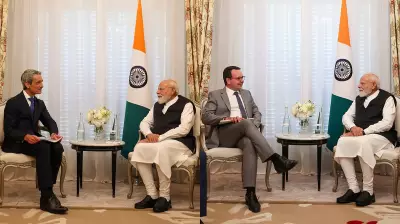
Diplomatic ties have strengthened considerably. During President Vladimir Putin's visit to India on 5 December, Foreign Secretary Vikram Misri highlighted the labour pact as the "centrepiece" of new understandings. "Indian skilled workers in IT, construction, and engineering will help meet Russia's needs and deepen our bilateral cooperation," Misri affirmed.
Recruitment Boom Echoes Gulf Legacy
This hiring frenzy is reminiscent of the West Asian construction and energy boom decades ago, which lifted millions of Indian workers out of poverty. Recruiters tap into established networks in states like West Bengal, Andhra Pradesh, Bihar, and Tamil Nadu. For instance, most carpenters and tailors currently originate from West Bengal.
The financial incentive is clear. Workers moving to Russia earn a minimum of ₹50,000 per month, along with employer-provided food and accommodation at worksites like mines and oilfields—a significant upgrade from meagre domestic pay. However, the harsh cold and language barriers remain significant challenges.
Amit Bhandari of Gateway House explains the strategic ease of manpower movement versus capital investment: "Large firms face sanction-related challenges from the West. Manpower is a different issue, with greater ease of travel expected." The opening of new Indian consulates in Yekaterinburg and Kazan in November 2024 further signals anticipated growth in workforce movement.
Navigating Sanctions and Ensuring Safety
The trend is not without complexities. Many recruiters are cautious, balancing Russian opportunities against the risk of alienating US-based clients due to sanctions imposed after the Ukraine war. A Delhi-based recruitment executive revealed inquiries from Russian mining and animal husbandry firms but noted, "We have not signed yet because we want to ensure no challenges with our US clients."
Safety and transparency are paramount. Following concerns about Indians being fraudulently enlisted for war-related work, the two governments launched a government-monitored recruitment system and an anti-migration pact in December 2024. This system aims to ensure Indian workers are hired only for civilian jobs and protected from illegal military recruitment.

Aviation data underscores the growing connection. Flight frequencies between India and Russia rose by 12.4% in the last 10 months, with 15 weekly flights across four routes, as per Sberbank. While Aeroflot is the only direct operator, carriers from Uzbekistan, Azerbaijan, and the Middle East facilitate robust connectivity, carrying both workers and a growing number of Indian tourists.
With the Indian community in Russia estimated at 14,000, this new corridor of opportunity is set to expand, reshaping the landscape of overseas employment for India's skilled hands.