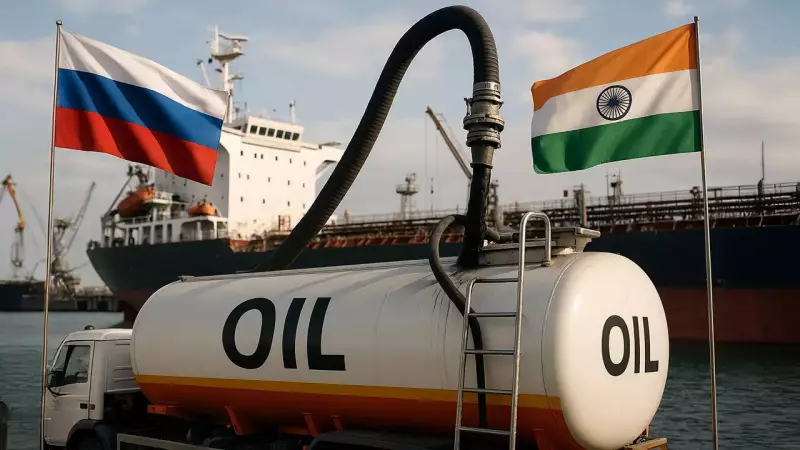
India's significant purchases of discounted Russian crude oil are expected to witness a dramatic decline in January, potentially falling to a multi-year low. This shift follows a major announcement from Reliance Industries, the country's largest private refiner and a key buyer of Russian oil last year.
Reliance Halts Russian Crude Shipments
On Tuesday, Reliance Industries clarified that its massive Jamnagar refining complex does not anticipate receiving any shipments of Russian crude in January. The company stated it has not taken delivery of such cargoes for roughly the past three weeks and refuted media reports about tankers en route to its facility. This move by India's largest private sector refiner signals a substantial change in the post-Ukraine invasion trade pattern.
Mounting Pressure from Western Sanctions
The development comes amid renewed pressure from the United States. President Donald Trump recently warned of potential additional import duties on India over its continued purchases of Russian oil, which Western nations argue fund Moscow's military campaign. The US had already raised tariffs on some Indian exports to 50% last year in response to the oil trade. Furthermore, tighter sanctions imposed by the US and the European Union have already begun to curtail shipments, with December imports slipping to about 1.2 million barrels per day—the lowest in three years and a nearly 40% drop from the June peak of around 2 million barrels per day.

Authorities have now asked oil refiners to provide weekly updates on their crude purchases from Russia and the US, indicating heightened scrutiny. With Reliance stepping back, January's Russian crude deliveries to India are likely to be confined to Russia-backed Nayara Energy and state-owned refiners like Indian Oil Corporation and Bharat Petroleum Corporation.
Implications for India-US Trade and Energy Security
Industry sources familiar with the matter indicate that India's intake of Russian crude is expected to fall below one million barrels a day as New Delhi works towards finalising a trade agreement with Washington. Despite the strain, negotiations for a possible trade pact continue. Nayara Energy, which operates a 400,000-barrel-per-day refinery, is expected to remain the principal Indian buyer due to limited supply options after EU sanctions prompted other suppliers to withdraw.
This impending sharp fall in imports marks a pivotal moment for India's energy diplomacy, balancing economic benefits from discounted oil against strategic and trade relations with Western allies. The coming weeks will be crucial in shaping the future of this key trade relationship.