

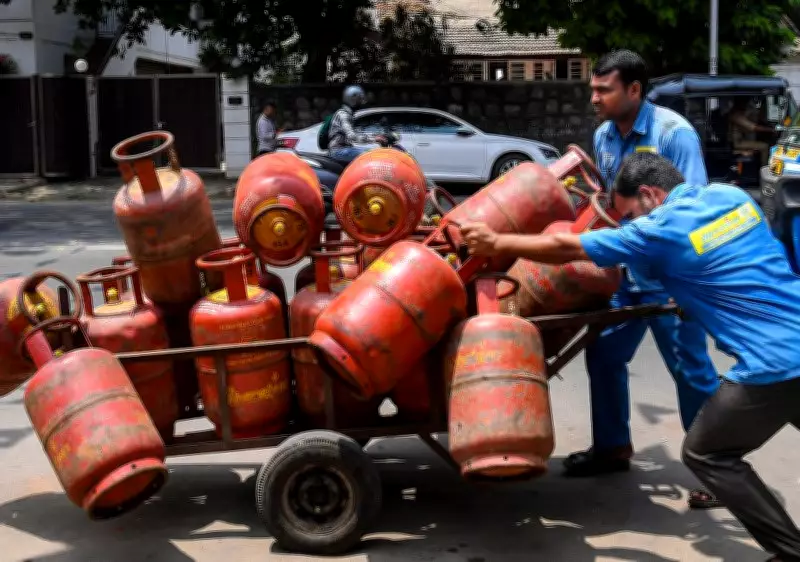
India's LPG Consumption Declines 13% Amid West Asia Conflict
India's liquefied petroleum gas (LPG) consumption has experienced a notable decline of 13% in recent months, a development directly linked to the ongoing conflict in West Asia. This significant drop highlights the profound impact of geopolitical tensions on global energy markets and domestic supply chains.
Impact of West Asia Conflict on Global Energy Supply
The conflict in West Asia has disrupted key shipping routes and supply chains, leading to increased volatility in global LPG prices. As a major importer of LPG, India relies heavily on stable international markets to meet its domestic demand. The instability has caused supply shortages and price hikes, forcing consumers and industries to reduce their LPG usage.
This situation underscores the vulnerability of India's energy sector to external geopolitical shocks. The 13% decline in consumption is not merely a statistical figure but a reflection of broader economic pressures affecting households and businesses across the country.

Domestic Implications and Consumer Behavior
On the domestic front, the reduction in LPG consumption has led to several observable trends. Many households have shifted to alternative energy sources, such as biomass or electricity, to mitigate rising costs. Industries reliant on LPG for manufacturing processes have also scaled back operations or sought more affordable substitutes.
The decline in consumption is particularly concerning given India's efforts to promote clean energy adoption. LPG is a crucial component of the government's initiatives to reduce indoor air pollution and improve public health. A sustained drop in usage could hinder these goals, potentially reversing progress made in recent years.
Economic and Policy Responses
In response to the consumption slide, policymakers and industry stakeholders are exploring various strategies to stabilize the market. Key measures under consideration include:
- Increasing domestic production of LPG to reduce dependency on imports.
- Implementing price controls or subsidies to cushion consumers from global price fluctuations.
- Enhancing storage infrastructure to build strategic reserves for future supply disruptions.
These steps aim to address both immediate challenges and long-term energy security concerns. However, the effectiveness of such measures will depend on the duration and intensity of the West Asia conflict, as well as global market dynamics.
Future Outlook and Market Predictions
Looking ahead, experts predict that LPG consumption in India may continue to face downward pressure if the conflict persists. The interconnected nature of global energy markets means that any escalation in West Asia could further strain supplies and drive prices higher.
This scenario poses significant risks to India's economic stability and energy affordability. Stakeholders are closely monitoring developments, with a focus on diversifying energy sources and strengthening domestic capabilities to mitigate future shocks.
In conclusion, the 13% decline in India's LPG consumption serves as a stark reminder of how geopolitical conflicts can ripple through economies, affecting everything from household budgets to national energy policies. As the situation evolves, proactive measures and strategic planning will be essential to navigate these turbulent times.






