Over the past decade, India's vast railway network, often called the nation's lifeline, has embarked on a monumental journey of modernization and expansion. This period marks a significant shift from decades of underinvestment to an era of unprecedented capital expenditure, aimed at enhancing speed, safety, and passenger comfort. The transformation is not just about new trains and tracks; it represents a strategic push to leverage railways as a core engine for India's economic growth and prosperity.
A Decade of Unprecedented Investment and Expansion
The most telling indicator of this transformation is the financial commitment. From 2009 to 2014, the average annual capital investment in Indian Railways stood at a modest Rs 45,980 crore. The scenario changed dramatically in the following ten years. The annual capital outlay soared, reaching a record Rs 2.52 lakh crore in the 2023-24 budget. This represents more than a five-fold increase, signaling a clear national priority.
This massive infusion of funds has fueled a construction boom on an epic scale. The country has been adding new railway tracks at a blistering pace, equivalent to laying a network the size of Switzerland's entire rail system. A key focus has been on electrification, with over 40,000 kilometers of tracks electrified in this period. This move enhances efficiency, reduces diesel dependency, and cuts down the carbon footprint, making rail travel greener.

Introducing a New Era of Speed and Safety
The face of this modern railway system is the indigenously designed and manufactured Vande Bharat Express. These semi-high-speed, self-propelled trains have become symbols of new India's engineering prowess. Offering aircraft-like amenities, reduced travel time, and enhanced passenger experience, multiple Vande Bharat services now connect cities across the country. They stand in stark contrast to the older, slower trains, showcasing the tangible outcomes of the modernization drive.
Parallel to speed, safety has been a paramount concern. The decade witnessed the introduction and progressive implementation of Kavach, India's own automatic train protection system. This indigenous technology acts as a vigilant shield, automatically applying brakes if it detects a potential collision or if the driver misses a signal, thereby preventing accidents. The results are evident: the number of consequential train accidents has plummeted from 135 in 2014 to just 48 in 2023, marking the safest year in Indian Railways' history.
Beyond Passengers: Boosting the Economy and Future Vision
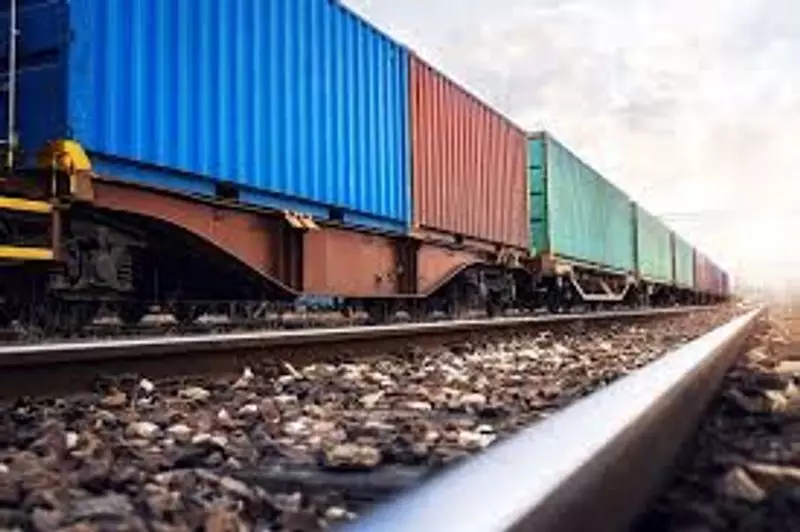
The railway revolution extends far beyond passenger corridors. A massive push has been given to dedicated freight corridors (DFCs), like the Eastern and Western DFCs. These high-capacity, high-speed routes are designed exclusively for goods trains, decongesting the existing network for passenger trains while ensuring faster, cheaper, and more reliable movement of raw materials and finished goods across the nation. This is a direct boost to logistics, manufacturing, and export competitiveness.
Looking ahead, the vision is set even higher. The plan includes the introduction of bullet trains, starting with the Mumbai-Ahmedabad High-Speed Rail Corridor, which promises to revolutionize inter-city travel. Furthermore, the transformation of major stations into world-class 'Iconic Stations' with modern amenities is underway, changing the very experience of rail travel in India.
In conclusion, the last ten years have set Indian Railways firmly on a new trajectory. From chronic underfunding to record investments, from safety concerns to historic safety records, and from aging rolling stock to sleek, modern trains, the journey has been transformative. This comprehensive overhaul is strategically positioning the railways not just as a transport utility, but as a critical infrastructure backbone that is actively powering India's journey toward becoming a developed and prosperous nation.