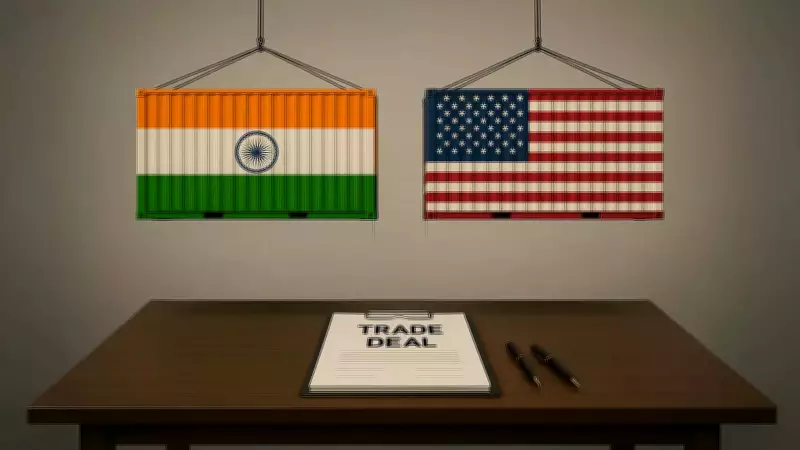
Indian Exporters Celebrate as Trump Announces Tariff Reduction, Business Landscape Transforms
A prominent Indian garment exporter, attending a party on Monday evening, found himself celebrating unexpectedly when former President Donald Trump announced the removal of 50% tariffs on certain goods. The news prompted immediate action, with the exporter quickly getting on calls with American buyers to discuss the implications. Suddenly, the entire business dynamic appeared radically different.
From Relocation Plans to Reassessing Shipments
Just hours before the announcement, this exporter had been contemplating relocating part of his operations to countries like Sri Lanka, Kenya, or Indonesia, following suggestions from US buyers seeking to avoid high tariffs. By Tuesday morning, however, his priorities had shifted dramatically. He instructed his office to immediately pull out the list of all goods currently in transit to the United States.
With tariffs set to be reduced to 18%, the $1.50 per garment discount his company had been offering would no longer apply to shipments reaching US ports after the deal takes effect. "There will either be a fresh invoice issued, or an upcharge applied to these shipments," the exporter explained. "We were absorbing a significant hit of approximately Rs 50 crore by selling at this discount. This tariff reduction changes everything."

Timing Proves Advantageous for Garment Sector
Most Indian exporters spent early Tuesday in detailed discussions with their American buyers, mapping out the way forward. The timing proved particularly beneficial for the garment industry, with orders for the upcoming season currently being finalized.
"We are actively engaged in talks with our buyers, and they are expressing considerable happiness about this development," said Sudhir Sekhri of Trendsetters, a leading exporter of womenswear. "The announcement's timing couldn't be better, coinciding precisely with when next season's orders are being finalized. The future appears exceptionally bright, and we must now focus on building scale, pursuing expansion, and enhancing skilling initiatives to fully capitalize on this opportunity."
Mixed Fortunes Across Export Sectors
While garment exporters celebrate their timely advantage, the leather goods sector finds itself in a different position. Suppliers have essentially missed the bus for the next season due to the timing of this announcement.
"We will need to exercise patience now," acknowledged M Rafeeque Ahmed, Chairman of Farida Group, a supplier to numerous leading global brands. "We had nearly given up hope on any tariff deal materializing, but circumstances are looking more promising now. American business represents something unique—the orders are substantial, and there's an undeniable charm to this market that's hard to match elsewhere."
All is not completely lost for Ahmed's company, as they had previously shifted some orders to their smaller factory located in another country, providing a partial buffer.
Gems and Jewellery Sector Awaits Detailed Provisions
The gems and jewellery exporting community is approaching the news with cautious optimism, awaiting the fine print of the deal to emerge fully. Kirit Bhansali, Chairman of the Gem & Jewellery Export Promotion Council (GJEPC), highlighted the positive implications.
"This tariff reduction lowers costs significantly for US importers and provides immense relief to diamond jewellery manufacturers," Bhansali stated. "It enhances the competitiveness of Indian diamond jewellery in what remains our largest export market. We anticipate this development will help revive demand and stabilize operations across the sector." Bhansali also took the opportunity to advocate for zero-duty access for Indian diamonds in future negotiations.
Colin Shah, Managing Director of Kama Jewelry, echoed the positive sentiment while emphasizing the need for details. "The overall sentiment is positive because this makes us more competitive compared to some rival countries," he noted. "Our buyers currently hold inventory, and we expect to be back in business robustly once all the specific details are officially released."

Leather Exporters Face Short-Term Challenges
For the leather industry, the celebration is tempered by timing constraints. Ramesh Kumar Juneja, who leads the Council for Leather Exporters, provided a realistic perspective.
"We have been waiting for this development for about six months," Juneja remarked. "While welcome, the immediate impact might only last for another month or two at best, given current order cycles and production timelines."
The sudden policy shift has created a complex landscape where different export sectors experience varying immediate benefits, but all recognize the long-term potential for enhanced competitiveness in the crucial American market.