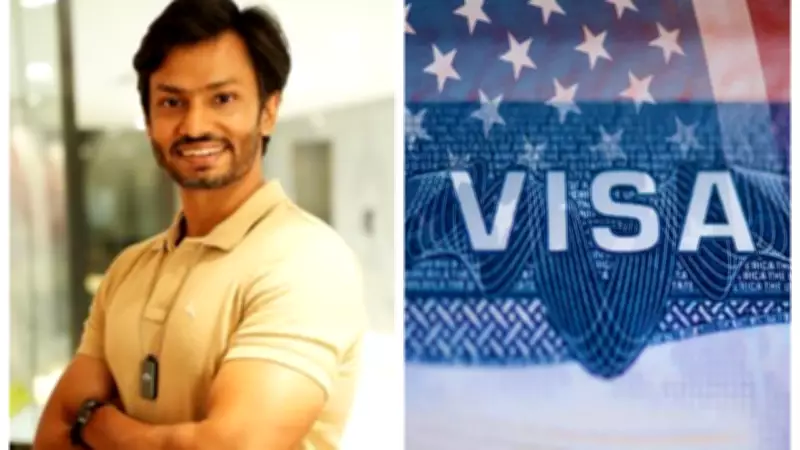
Dhananjay Yadav, the Indian CEO of wearable technology startup NeoSapien, has shared a troubling experience of facing random visa refusals, revealing that his US visa application was rejected at the Delhi consulate despite having a legitimate invitation for investor meetings. This incident has raised questions about the visa approval process for legitimate business travelers from India.
The Unexpected Rejection Despite Clear Business Purpose
Yadav explained that he had received a formal invitation from Hari Valiyath, co-founder of US-based investment firm Pyxis, which has raised over $200 million in funding. The invitation specifically requested Yadav's presence for investor meetings and potential B2B partnership discussions. "I had an invite from a close friend and investor in NeoSapien, Hari Valiyath, to meet him and potential partners," Yadav stated, emphasizing the legitimate business nature of his planned visit.
Previous International Experience and Clear Intentions
The CEO highlighted his established international credentials, having previously studied in the United States and worked professionally in Berlin. "I have studied in the US before and worked in Berlin. So, I had no intent to stay back in the US," Yadav clarified, addressing potential concerns about immigration intent that sometimes influence visa decisions.

The Interview Process and Unexpected Questions
During his visa interview, Yadav explained his purpose clearly as "investor meetings and B2B partnerships." However, the conversation took an unexpected turn when questions about his personal salary arose. "Then came a question on salary, and despite the trip being company-sponsored. As a founder, my salary is minimal," Yadav recounted. This line of questioning proved problematic, as startup founders typically draw minimal salaries while reinvesting profits into their companies.
No Clear Reason Provided for Refusal
Most frustrating for Yadav was the lack of explanation for his visa refusal. "Shortly after, the visa was rejected," he said, adding that there was no specific reason provided for the decision. This absence of clarity has become a common complaint among Indian business professionals facing similar rejections.
Broader Implications for Indian Entrepreneurs
Yadav's experience highlights a growing concern among Indian startup founders and business leaders about inconsistent visa approval processes. As CEO of NeoSapien, an India-based company specializing in wearable technology innovation, Yadav represents the type of entrepreneur that international business ecosystems typically seek to engage with for potential partnerships and investments.
The incident raises important questions about how visa officers evaluate applications from startup founders whose financial profiles differ significantly from traditional corporate employees. With the trip being company-sponsored and having clear business objectives documented through formal invitations, the rejection appears particularly puzzling to business observers.
This case adds to ongoing discussions about improving transparency in visa decision-making processes and ensuring that legitimate business travelers from India can access international opportunities without unnecessary barriers. As global business becomes increasingly interconnected, such experiences can potentially hinder valuable cross-border collaborations and investment discussions.