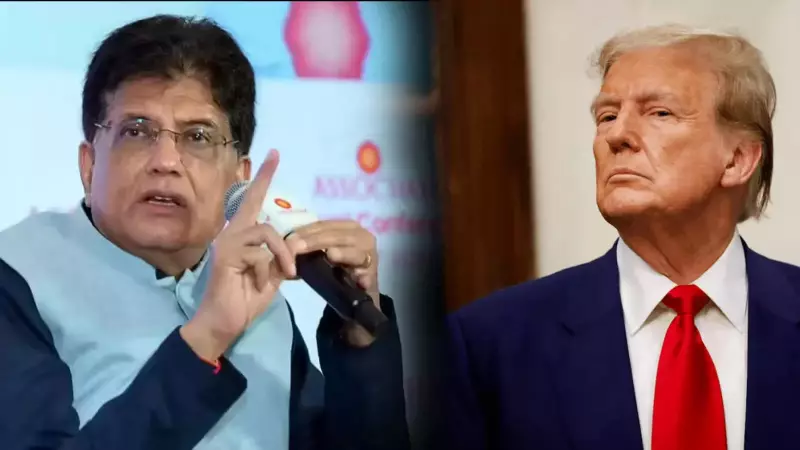
In a powerful address that resonated through the halls of the Berlin Global Dialogue, India's Commerce and Industry Minister Piyush Goyal sent a clear message to the United States regarding ongoing trade negotiations. The minister emphasized that India will not accept any trade agreements that fail to serve the nation's best interests.
"We are not desperate for deals that don't work for India," Goyal stated firmly during his participation at the prestigious international forum. His comments came amid crucial trade discussions between the world's largest and fifth-largest economies.
India's Growing Confidence in Global Trade
The minister's assertive tone reflects India's evolving position in global trade dynamics. Rather than accepting unfavorable terms, India is prepared to walk away from negotiations that don't provide balanced benefits for both nations.

Goyal highlighted that India approaches trade discussions with the United States from a position of strength and mutual respect. "Our relationship with the US is important, but it must be based on fairness and equal partnership," he remarked.
Key Points from Minister Goyal's Address
- India seeks trade agreements that genuinely benefit its economy and citizens
- The country will not rush into deals under pressure
- Mutual respect must form the foundation of India-US trade relations
- India's growing economic strength allows for more assertive negotiation positions
Global Implications of India's Stance
The minister's strong message at the Berlin Global Dialogue signals a significant shift in how emerging economies approach trade negotiations with developed nations. India's firm position could influence how other developing countries frame their own trade discussions with major economic powers.
As trade talks continue between New Delhi and Washington, the world watches closely to see how this assertive approach will shape future economic partnerships and global trade dynamics.