India-US Trade Deal: Tariffs Slashed to 18%, Broader Claims Remain Unverified
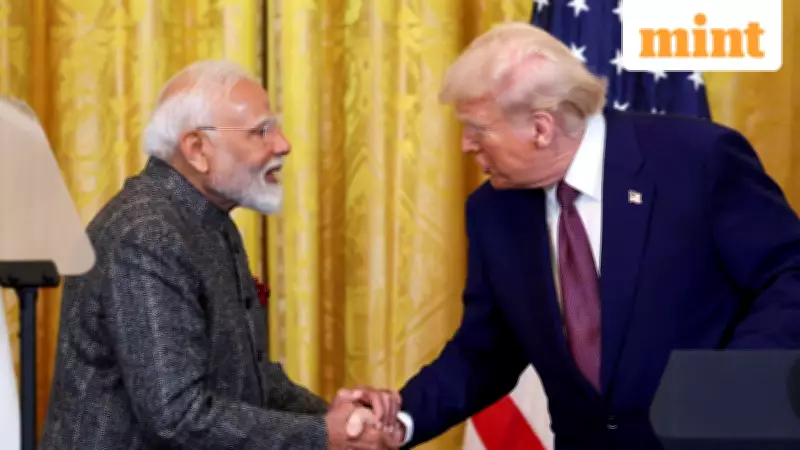
In a significant development for bilateral trade relations, India and the United States have announced a fresh trade understanding that centers on a sharp reduction in American tariffs on Indian goods. This announcement followed a crucial phone call between US President Donald Trump and Indian Prime Minister Narendra Modi, marking a potential reset after months of trade tensions.
Tariff Reduction Confirmed by Both Sides
President Trump stated on Monday that he and Prime Minister Modi "have agreed to a Trade Deal" between the two nations. Under this arrangement, Washington DC will apply a reduced reciprocal tariff of 18 percent on Indian goods, down significantly from the previous rate of 25 percent.
India has since officially confirmed this tariff reduction, with Prime Minister Modi publicly welcoming the move following the diplomatic call. The revised tariff structure represents a meaningful easing of trade pressure that had been building for months due to elevated duties on Indian exports to the American market.

Understanding the Tariff Changes
The earlier 50 percent levy on Indian goods was composed of two distinct components: a 25 percent reciprocal tariff and an additional 25 percent import duty that had been imposed specifically over India's purchase of Russian crude oil.
Under the new arrangement, the United States has completely withdrawn the punitive duty linked to Russian oil imports while simultaneously lowering the remaining reciprocal tariff. This dual adjustment brings the overall tariff rate down to 18 percent. A White House official confirmed to Reuters that only the revised reciprocal tariff will now apply to Indian exports.
Competitive Advantages for Indian Exports
With this revised tariff structure, India gains a relative advantage over several competing export economies in the Asian region. The new 18 percent tariff rate is now lower than those applied to Indonesia, Bangladesh, and Vietnam by the United States.
When compared to China and Pakistan, Indian exports face significantly reduced US tariffs, potentially strengthening India's position in key global supply chains and manufacturing networks. This development could enhance India's attractiveness as a trading partner and production hub for American companies.
Trump's Broader Claims: $500 Billion Purchases and Oil Shifts
In a detailed post on his Truth Social platform, President Trump outlined what he described as a broader package accompanying the tariff cuts. He made several specific claims about India's commitments, stating that India would:
- Reduce tariffs and non-tariff barriers on US goods to zero
- Commit to purchasing more than $500 billion worth of US energy, technology, agricultural products, coal, and other goods
- Stop buying Russian oil and shift energy purchases to the United States and potentially Venezuela
- Link this energy shift to efforts to end the Russia-Ukraine war
India's Official Position: What Has Been Confirmed
While India has officially acknowledged the reduction in US tariffs, it has not publicly confirmed several elements outlined by President Trump. These unverified claims include:
- Any commitment to halt Russian oil purchases
- The removal of all tariffs and non-tariff barriers on US goods
- Any specific commitment to buy $500 billion worth of American products
Prime Minister Modi's public statement following the call focused exclusively on tariff relief and did not reference oil imports or large-scale purchase commitments. This discrepancy between the American and Indian narratives leaves important questions unanswered about the full scope of the agreement.
Key Facts About the India-US Trade Deal
Based on confirmed information from both governments:
- The United States will cut reciprocal tariffs on Indian goods from 25 percent to 18 percent
- Prime Minister Modi has confirmed the 18 percent tariff rate
- President Trump says the trade deal is effective immediately
- India has confirmed tariff relief but not oil or purchase commitments
According to President Trump's claims, which remain unverified by India:

- India will buy over $500 billion in US goods
- India will reduce tariffs and non-tariff barriers to zero
- India will stop buying Russian oil and shift purchases to the US and possibly Venezuela
Context: From Trade Tensions to Partial Reset
This announcement follows a period of significant strain in India-US trade relations. Last year, Washington imposed 50 percent tariffs on Indian goods, including the additional duty specifically linked to Russian oil purchases. The latest agreement signals a partial reset in bilateral trade relations, easing immediate tariff pressures while leaving open important questions about broader strategic and economic commitments claimed by the American President.
The deal represents a diplomatic achievement for both leaders but highlights the complex nature of international trade negotiations where public statements and official positions may not always align completely. As implementation proceeds, further clarification will likely emerge regarding the full scope of commitments made by both nations.