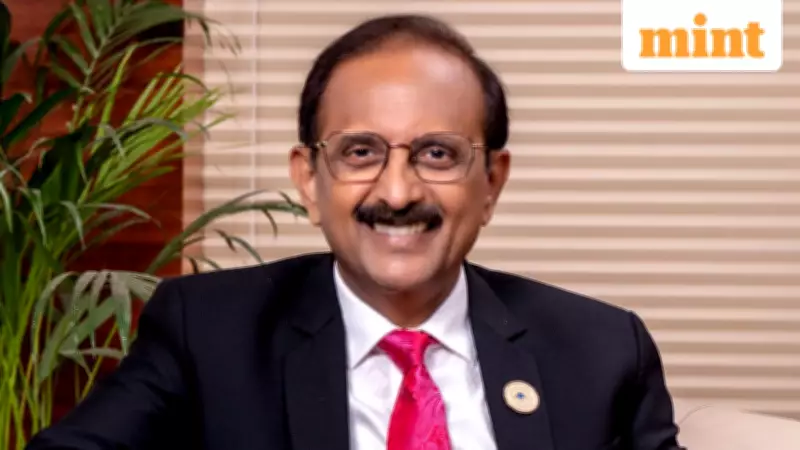
SBI Chairman Praises India-US Trade Agreement as Major Economic Milestone
The recently announced trade deal between India and the United States has been hailed as an extremely positive development for the domestic economy by C S Setty, chairman of State Bank of India (SBI), the country's largest lender. In a phone conversation, Setty emphasized that this agreement effectively removes the overhang of tariffs that had been looming over bilateral trade relations.
Key Details of the Trade Agreement
According to the terms disclosed by US President Donald Trump, Washington will lower its reciprocal tariff on Indian goods from 25% to 18%. In return, India is expected to reduce its tariffs and non-tariff barriers against US imports to zero, although New Delhi has not yet officially commented on the specific duties it will levy. Additionally, the US is removing an extra 25% duty that was previously applied in response to India's crude oil purchases from Russia.
Setty highlighted that this tariff reduction will immensely benefit exporters in key sectors such as textiles and shrimps. He noted that the deal, along with other free-trade agreements India is signing, provides greater clarity for trade, thereby boosting the economy and supporting exporters.

Historical Context and Export Diversification
The announcement comes nearly a year after both nations agreed to work towards a comprehensive bilateral trade agreement. Previously, US President Donald Trump had imposed a total of 50% tariff on Indian goods shipped to the US, with textiles and auto components among the sectors most affected. Setty pointed out that following these earlier tariffs, Indian exporters successfully diversified into other geographies over the last three months, mitigating some of the potential negative impacts.
Banking Sector Resilience and Government Measures
Addressing concerns that high tariffs might affect the asset quality of banks, Setty reassured that this did not occur. He credited multiple relief measures provided by the Reserve Bank of India (RBI) and the government, which included:
- Easing access to working capital for exporters
- Enabling higher borrowing limits
- Deferring loan repayments until the end of the calendar year
The RBI had identified 20 eligible sectors for these reliefs, spanning fisheries, chemicals, textiles, footwear, and more. Despite these measures, Setty noted that there were not many takers, as exporters instead focused on geographical diversification.
Expert Opinions and Economic Impact
Echoing Setty's optimism, RBI governor Sanjay Malhotra had previously stated in December that the impact of US tariffs on India would be minimal, describing it as "not a high impact" due to India's predominantly domestic demand-driven economy. Setty had held similar views last year, predicting limited effects on SBI's books and expressing hope for a swift resolution to rekindle corporate capital expenditure plans.
This trade deal is seen as a significant step in strengthening India's manufacturing and services sectors, following similar agreements like the one signed with the European Union on 27 January. Prime Minister Narendra Modi had emphasized that such pacts boost investor confidence and enhance economic growth.
Overall, the India-US trade agreement marks a pivotal moment in bilateral relations, with Setty concluding that it removes uncertainties and sets a positive trajectory for India's export-oriented industries and broader economic landscape.