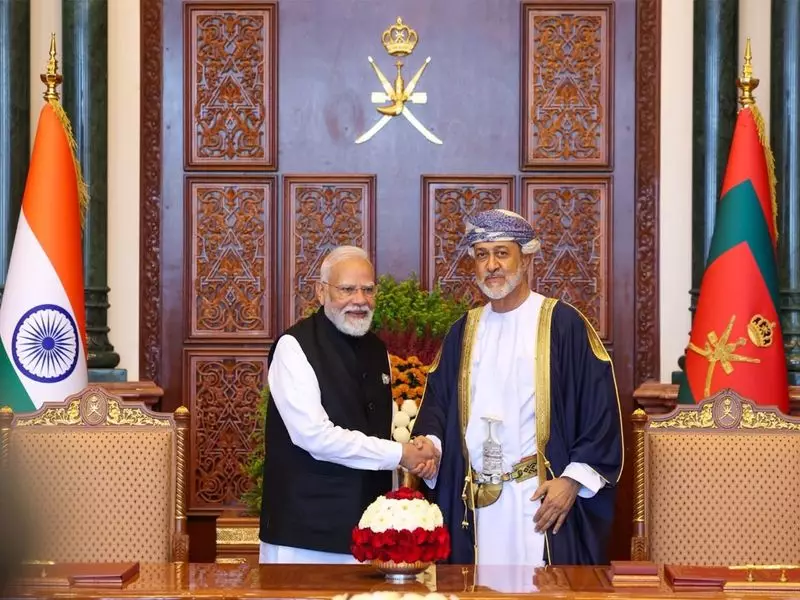
The recently signed Comprehensive Economic Partnership Agreement (CEPA) between India and Oman is poised to mark a transformative chapter in their economic relationship. This strategic pact is expected to unlock substantial trade potential, provide a significant boost to India's Micro, Small, and Medium Enterprises (MSMEs), and bolster the nation's crucial energy security. The agreement, finalized after extensive negotiations, reflects a shared commitment to deepening economic integration and leveraging complementary strengths.
Key Provisions and Expected Economic Impact
According to an analysis by Bank of Baroda's Chief Economist, Madan Sabnavis, the India-Oman CEPA will facilitate a major reduction in tariffs and eliminate various non-tariff barriers. This will create a more favorable and predictable trading environment for businesses on both sides. A core focus of the agreement is to empower Indian MSMEs by granting them preferential access to the Omani market. Sectors such as textiles, engineering products, pharmaceuticals, and automotive components are anticipated to be primary beneficiaries, leading to a notable surge in MSME exports from India.
Beyond merchandise trade, the pact encompasses vital areas like services, investment, and technical cooperation. This holistic approach is designed to foster long-term, sustainable economic engagement. The agreement is also strategically significant for energy security, as Oman is a key supplier of oil and gas to India. The CEPA will help secure and potentially expand these energy flows, contributing to a more stable and diversified energy import portfolio for India.

Strategic Benefits and Future Outlook
The economic partnership extends beyond immediate trade gains. Oman's strategic location at the mouth of the Persian Gulf makes it a critical logistics and connectivity hub. Enhanced economic ties under the CEPA can improve India's access to the wider Gulf region and East African markets. Furthermore, the agreement is expected to attract increased Omani investment into India, particularly in sectors like infrastructure, tourism, and renewable energy.
Madan Sabnavis emphasized that the India-Oman CEPA is a win-win proposition. For Oman, it offers access to India's vast consumer market and advanced technological and pharmaceutical capabilities. For India, it provides a reliable gateway for exports and a stable energy partner. The successful implementation of this agreement is projected to substantially increase the current bilateral trade volume, strengthening the economic foundation of a historically friendly relationship.
In conclusion, the India-Oman Comprehensive Economic Partnership Agreement is a landmark development with far-reaching implications. By boosting trade, empowering small businesses, and securing energy supplies, it positions both nations for accelerated economic growth and deeper strategic cooperation in the years ahead.