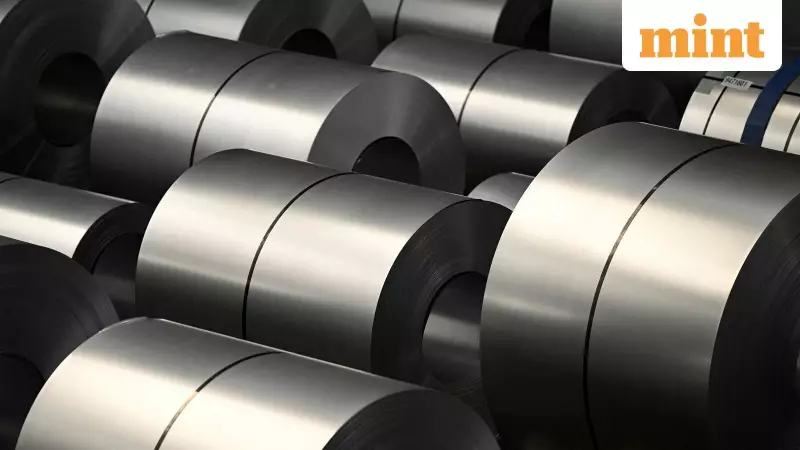
The Indian government has taken a decisive step to shield its domestic steel manufacturers from a surge of inexpensive imports. On Tuesday, the finance ministry issued an order imposing a safeguard duty on certain steel products, a protective tariff that will be in effect for three years.
Details of the Three-Year Tariff Structure
According to the official government gazette notification, the levy will be implemented in a phased manner. The duty is set at 12% for the first year, which will then be reduced to 11.5% in the second year, and finally to 11% in the third and final year. This measure is specifically designed to counteract the threat posed by cheap shipments, with a particular focus on imports originating from China.
The order clarifies that imports from certain developing nations will be exempt from this new tariff. However, key trading partners like China, Vietnam, and Nepal will not be exempt and will be subject to the full levy. It is also important to note that the duty does not apply to all steel products; specialty grades such as stainless steel are excluded from this safeguard measure.

Background and Rationale for the Duty
This move follows a temporary 200-day tariff of 12% that was imposed back in April, indicating the government's sustained concern over this issue. The federal steel ministry has consistently voiced its stance, emphasizing that the domestic steel industry must not suffer injury due to an influx of cheap and sometimes sub-standard imported products.
The decision for a longer-term duty was based on an investigation by the Directorate General of Trade Remedies (DGTR). The DGTR found compelling evidence of a "recent, sudden, sharp and significant increase in imports" which was actively "causing and threatening to cause serious injury to the domestic industry". This official finding formed the core justification for recommending the three-year protective measure.
Global Context and Trade Implications
India's action reflects a broader global trend of trade friction surrounding steel. The initial spark for many of these protective measures is widely attributed to the import tariffs levied on steel by former U.S. President Donald Trump. This triggered a chain reaction, leading several countries to erect their own trade barriers.
Earlier this year, nations including South Korea and Vietnam had already imposed anti-dumping duties on Chinese steel. India's latest three-year safeguard duty places it firmly within this group of countries taking proactive steps to defend their manufacturing bases against market-distorting cheap exports, ensuring a level playing field for local producers.