

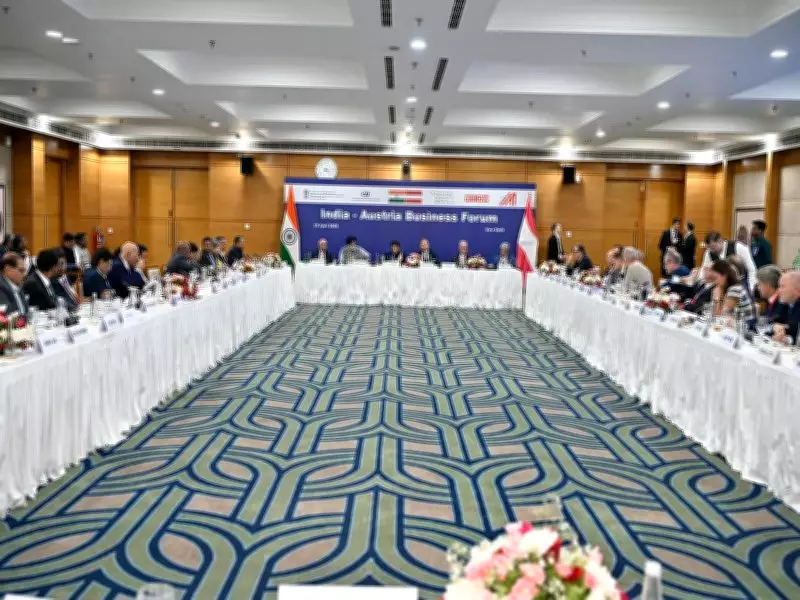
India and Austria Forge New Economic Partnership with Fast-Track Mechanism
In a significant move to strengthen economic ties, India and Austria have officially launched a fast-track mechanism designed to enhance bilateral trade and investment. This initiative marks a pivotal step in fostering closer cooperation between the two nations, with the goal of streamlining processes and removing barriers that have historically impeded business interactions.
Objectives of the Fast-Track Mechanism
The primary aim of this mechanism is to create a more efficient and responsive framework for trade and investment flows. By establishing dedicated channels for communication and problem-solving, both countries seek to address issues such as regulatory hurdles, bureaucratic delays, and market access challenges. This is expected to benefit a wide range of sectors, including technology, manufacturing, and services, thereby boosting economic growth and creating new opportunities for businesses on both sides.
Key Features and Expected Outcomes
The fast-track mechanism includes several key components:

- Enhanced coordination between government agencies to expedite approvals and clearances.
- Regular high-level dialogues to monitor progress and address emerging concerns.
- Initiatives to promote investment in priority areas, such as renewable energy and digital infrastructure.
This collaboration is anticipated to lead to a substantial increase in bilateral trade volumes, which have shown potential for growth in recent years. By leveraging Austria's expertise in engineering and innovation alongside India's dynamic market and skilled workforce, the partnership aims to unlock new avenues for mutual prosperity.
Broader Implications for International Trade
The launch of this mechanism underscores a broader trend of India actively engaging with European nations to diversify its economic partnerships. It reflects a strategic effort to enhance global trade networks and attract foreign investment, contributing to India's position as a key player in the international economy. As both countries work to implement this framework, stakeholders are optimistic about the long-term benefits for job creation, technology transfer, and sustainable development.






