The year 2025, marked by global volatility, is drawing to a close, setting the stage for a decisive 2026. The international trading system is experiencing a deep structural shift, moving away from the old era of seamless globalization. This new reality, defined by strategic competition and a scramble for reliable supply chains, presents India with a critical inflection point. The nation's response will determine if it merely adapts or ascends to a leadership role in the emerging global economic order.
The New World of Trade: Rivalry, Regional Blocs, and Resilience
The foundational pillars of the previous global trade system are crumbling. The strategic contest between the United States and China is the primary force reshaping economic flows. As these giants vie for technological supremacy, companies are actively diversifying their manufacturing bases through "China+1" strategies. This search for alternative hubs opens a direct and significant window for India.
Concurrently, the world is fragmenting into powerful regional trade blocs like the Regional Comprehensive Economic Partnership (RCEP) and the Comprehensive and Progressive Agreement for Trans-Pacific Partnership (CPTPP). A more alarming trend is the erosion of core World Trade Organization principles, such as the Most Favored Nation (MFN) clause, as seen in policies from the US and Mexico. This rise of economic nationalism, with its export controls and targeted tariffs, adds another layer of complexity to international commerce.

India's Dual Reality: Unmatched Opportunities Amid Persistent Hurdles
Within this turbulent landscape, India's prospects are notably bright. The global push for supply chain diversification makes India a prime candidate in sectors like electronics, semiconductors, pharmaceuticals, and automobiles. The country's more stable business environment and flagship Production-Linked Incentive (PLI) schemes are already drawing attention from global manufacturers.
Beyond manufacturing, India holds formidable strengths. Its leadership in services exports—IT, fintech, ed-tech, and R&D—is poised for sharp growth amid worldwide digitization. In agriculture, climate-induced disruptions position India as a crucial supplier of rice, grains, and spices, provided it modernizes its supply chains. Furthermore, India's influence in the Global South creates demand for its affordable pharmaceuticals, engineering goods, and digital public infrastructure.
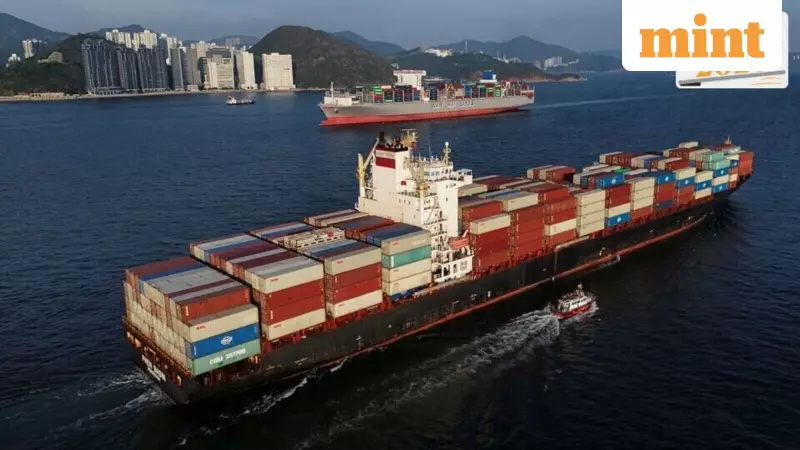
However, capitalizing on these advantages requires overcoming substantial internal challenges. Domestic logistics and infrastructure, despite improvements, remain below global benchmarks, leading to high costs and delays. Indian exporters also face non-tariff barriers like stringent environmental regulations and carbon border taxes in developed markets. An over-dependence on traditional markets like the US and EU increases vulnerability, while gaps in technology adoption, skilling, and R&D investment persist in key industries.
The Roadmap to Leadership: A Strategic Blueprint for 2026 and Beyond
To seize this historic opportunity, India must execute a clear and coordinated strategy. Strengthening the manufacturing ecosystem is paramount. This involves developing world-class industrial clusters, plug-and-play facilities, and integrated logistics parks to keep pace with industrial growth.
On the international front, pursuing strategic free trade agreements (FTAs) with the European Union, GCC, Canada, and Mexico is essential. Domestically, embracing the green transition—through investments in green hydrogen, renewable energy corridors, and sustainable practices—will make India a destination for future-focused industries.
Digital transformation across the export ecosystem, from AI-driven market intelligence to blockchain-based traceability, can drastically reduce friction for businesses, especially MSMEs. Complementing these hard infrastructure and policy moves, India must leverage its soft power—technological prowess and digital public infrastructure—to deepen partnerships across the Global South.

In conclusion, the current geopolitical and economic upheaval is more than a disruption; it is a definitive inflection point. As the world seeks trusted partners and resilient supply chains, India is uniquely positioned to meet that demand. The choices made today in policy, infrastructure, and global engagement will define India's economic standing and influence for decades to come. The moment for leadership is now.