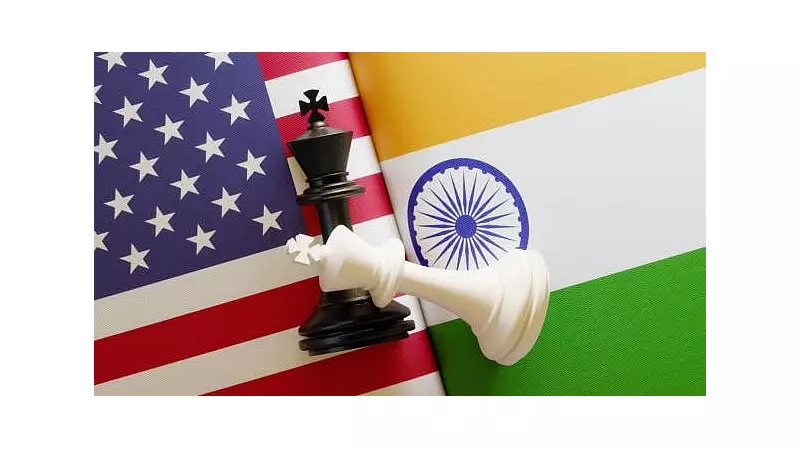
In a significant move aimed at boosting trade and resolving a major sticking point in international negotiations, the Indian government has announced a series of reforms to simplify and digitize its import inspection processes. The initiative is widely seen as a crucial step towards securing a long-awaited free trade agreement (FTA) with the United States.
Key Reforms to Ease Import Bottlenecks
The Department of Commerce, under the guidance of Commerce and Industry Minister Piyush Goyal, has issued a directive to all relevant ministries and agencies. The core mandate is to transition from a system of physical checks for a wide range of imported goods to a more streamlined, risk-based approach. The new framework will leverage technology and data analytics to facilitate faster clearance for trusted traders and low-risk shipments.
The reforms specifically target the removal of redundant and overlapping quality control checks (QCOs) that are currently enforced by multiple agencies at the border. This duplication has long been cited by businesses, both domestic and international, as a major source of delays, increased costs, and uncertainty. The government's directive orders a comprehensive review of all such QCOs to eliminate inconsistencies and establish a single, coherent standard for each product category.

A Strategic Push for the US-India Trade Pact
This policy shift is not occurring in a vacuum. It comes at a critical juncture in India's trade diplomacy, particularly concerning its negotiations with the United States. For years, American businesses and trade officials have flagged India's complex and often opaque import inspection regime as a significant non-tariff barrier. Addressing this concern is considered essential for making tangible progress on a bilateral trade deal.
The timing of the announcement is strategic. Commerce Minister Piyush Goyal is scheduled to travel to the United States for high-level trade talks in the coming weeks. Presenting these concrete, actionable reforms provides Indian negotiators with a strong counter to US complaints, demonstrating a genuine commitment to easing market access and improving the ease of doing business.
The move aligns with India's broader vision of becoming a global manufacturing hub and integrating more deeply into international supply chains. By reducing friction at its ports, India aims to attract greater foreign investment and enhance its export competitiveness.
Implications for Businesses and the Economy
The implications of these reforms are far-reaching. For importers, the changes promise faster turnaround times at customs, lower logistical costs, and reduced compliance burdens. This is expected to benefit sectors ranging from electronics and engineering to pharmaceuticals and agriculture.
For the Indian economy, smoother import procedures can help curb inflation by reducing supply chain delays and associated costs that are often passed on to consumers. It also signals to the global trading community that India is serious about implementing WTO's Trade Facilitation Agreement in letter and spirit.
However, the success of this initiative will hinge on effective implementation across various ministries and regulatory bodies. The government's directive emphasizes the need for a coordinated, tech-driven approach, moving away from physical inspections to a system based on digital documentation and risk management. The coming months will be crucial in observing how these policy directives translate into ground-level changes at India's ports and border crossings.
Ultimately, these import check reforms represent a pragmatic and necessary evolution of India's trade policy. By proactively addressing a key irritant in its trade relations, India is not only smoothing the path for a potential deal with the US but also taking a decisive step towards a more efficient and globally integrated economy.