India's economic strategy is proving to be a significant buffer against the turmoil of the ongoing global crisis, according to recent analyses. The nation's calculated trade relationships and energy policies are creating a protective layer for its financial stability.
Limited Economic Exposure to Russia
Despite geopolitical tensions, India's direct trade and financial links with Russia remain relatively contained. Official data indicates that trade with Russia constitutes less than 1.5% of India's total global trade. This limited exposure means that direct economic shocks from the crisis are significantly muted for the Indian market compared to nations with deeper ties.
Furthermore, Indian banks and corporations have maintained a cautious approach. Their overall exposure to Russian assets and the broader region affected by the conflict is minimal. This prudence has prevented major capital flight or severe banking sector stress that has impacted other economies.

Strategic Oil Diversification as a Key Shield
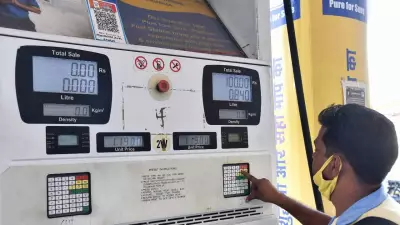
One of the most critical factors cushioning India is its strategic diversification of oil imports. As one of the world's largest crude oil importers, India has adeptly navigated the turbulent energy markets.
The government and refiners have actively increased purchases from a wider set of suppliers. This includes boosting imports from traditional partners in the Middle East and seeking new contracts from sources in Africa and North America. This multi-pronged approach has ensured a steady flow of energy resources without over-reliance on any single region embroiled in conflict.
This diversification strategy has helped stabilize fuel prices domestically and secured essential energy supplies for industries and consumers alike. It has provided the government with greater policy flexibility to manage inflation and support economic growth.
Broader Trade Resilience and Future Outlook
Beyond oil, India's broader trade ecosystem demonstrates resilience. The country has strong and growing export sectors in services, pharmaceuticals, and information technology, which are less immediately impacted by the specific crisis. These sectors continue to bring in valuable foreign exchange.
However, analysts caution that the cushion is not absolute. India remains vulnerable to secondary effects, such as global inflationary pressures, supply chain disruptions for key goods, and volatile currency markets. The rising cost of imported commodities, even from alternative sources, poses an ongoing challenge.
Looking ahead, economic experts suggest that India's current position offers a crucial window. It allows for strategic planning to further strengthen economic sovereignty. Key focus areas include accelerating domestic manufacturing under initiatives like Make in India, enhancing food and energy security buffers, and deepening trade ties with a stable and diverse set of partner nations.
In conclusion, while no large economy is entirely immune to global shocks, India's limited direct ties to the crisis epicenter and its proactive policy on critical imports like oil have created a notable shock absorber. This strategic positioning is helping to insulate the Indian economy, allowing it to navigate the current global uncertainty with greater stability than many peers.