The crucial window for importing cotton into India without paying any duty officially closed on Wednesday, as the government did not issue an order to extend the benefit. This means that starting January 1, a significant 11% import duty is back in effect for cotton shipments coming into the country, unless a fresh notification is released.
Farmers Struggle as Prices Remain Below MSP
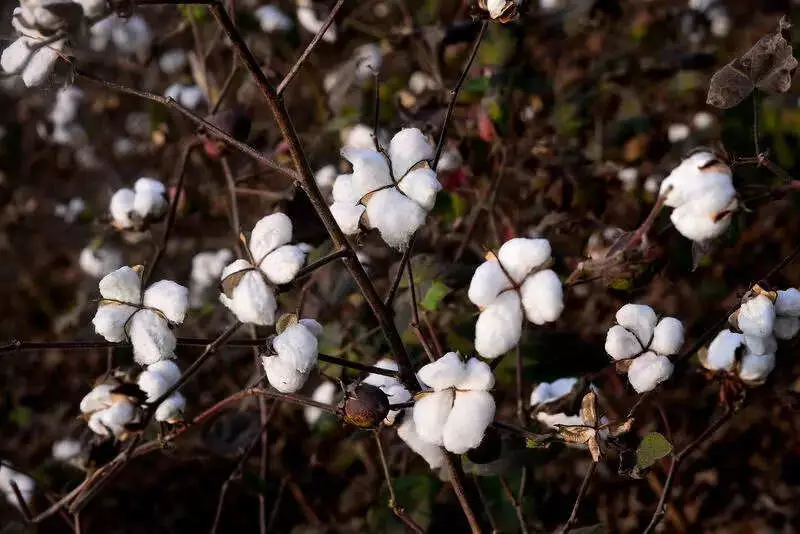
While textile companies have been reporting an increase in the prices of processed cotton, known as lint, the situation on the ground for cotton growers in the Vidarbha region remains bleak. Market sources indicate that farmers are currently selling their raw cotton produce at rates significantly lower than the government's declared Minimum Support Price (MSP).
Current market prices are hovering between 7,500 to 7,700 rupees per quintal, which is well below the MSP of 8,110 rupees per quintal. In some cases, the reimposition of the import duty has even pushed prices down to as low as 6,700 rupees per quintal for farmers.

Industry Lobby vs. Farmer Demands
The expiry of the duty-free regime highlights a clear clash of interests between two major stakeholders. On one side, trade bodies and the textile industry had been actively lobbying the government to continue the duty exemption for at least another quarter. They argued that it allowed for cheaper imports of raw material, helping them manage costs.
On the opposing side, farmers' associations submitted formal representations supporting the reinstatement of the import duty. Their logic was straightforward: the influx of cheaper duty-free cotton from international markets was suppressing domestic prices for their raw cotton, directly hurting their incomes.
The duty exemption was initially introduced in August, primarily as a measure to navigate tariff tensions with the United States. Data from the US-based International Cotton Advisory Committee (ICAC) reveals that India imported a substantial 36 lakh bales of cotton until mid-September under this scheme. The leading suppliers were Brazil (23%), the United States (20%), and Australia (19%).
Procurement and Future Concerns
With market prices staying depressed, farmers this season have had to rely heavily on the MSP procurement operations conducted by the state-run Cotton Corporation of India (CCI). In a relief to growers, the CCI had purchased 61.5 lakh bales by December 30. Furthermore, the registration deadline for farmers to sell their produce at the guaranteed MSP was extended from December 31 to January 16.
The return of the import levy has, however, sparked fresh anxiety within the domestic textile industry. Prashant Mohta, Managing Director of Gima Tex Industries, a textile unit based in Vidarbha, explained the double impact. "Domestic cotton rates have reached about 58,500 rupees per bale, and imports have now become costlier by approximately 4,000 rupees per bale due to the tariff situation," he stated, adding that this affects the global competitiveness of Indian textile manufacturers.
The absence of a new duty-free order leaves the sector facing higher input costs, while farmers continue to hope for better price realizations, creating a complex economic scenario for India's crucial cotton ecosystem.