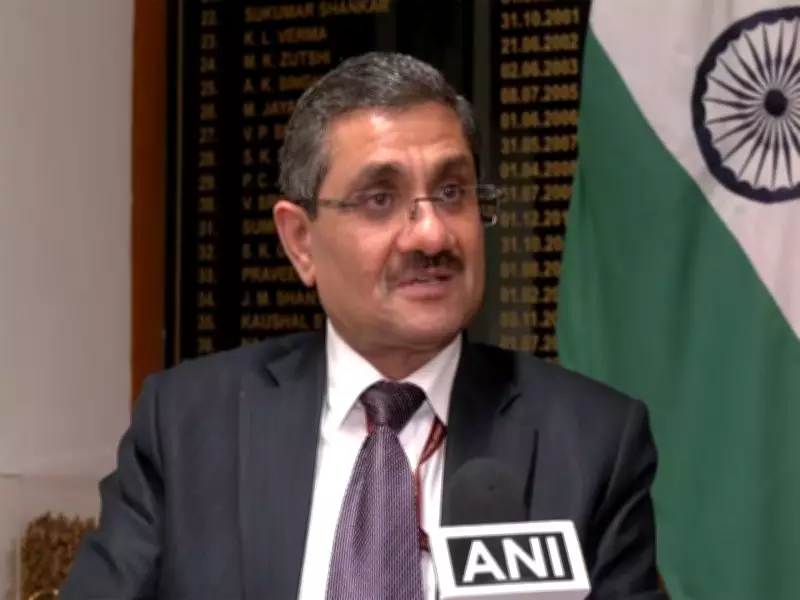
The Chairman of the Central Board of Indirect Taxes and Customs (CBIC) has recently outlined a series of strategic reforms in customs duties, with a clear focus on bolstering industrial growth, boosting exports, and enhancing the ease of living for citizens across India. These initiatives are part of a broader effort to streamline trade processes and create a more business-friendly environment.
Key Objectives of the Customs Duty Reforms
The reforms are designed to address multiple facets of the economy, ensuring that customs policies align with national priorities. The primary goals include:
- Boosting Industry: By simplifying customs procedures and reducing bureaucratic hurdles, the reforms aim to make it easier for domestic industries to operate efficiently and compete globally.
- Increasing Exports: Enhanced export facilitation measures are expected to support Indian businesses in accessing international markets, thereby contributing to economic growth.
- Improving Ease of Living: The reforms also focus on reducing the cost and complexity of importing essential goods, which can lead to lower prices and better availability for consumers.
Expected Impact on Trade and Economy
According to the CBIC Chairman, these customs duty reforms are anticipated to have a significant positive impact on India's trade landscape. By modernizing customs infrastructure and implementing digital solutions, the government aims to:

- Reduce clearance times for goods at ports and borders, making trade more efficient.
- Minimize compliance costs for businesses, encouraging more investment and innovation.
- Foster a transparent and predictable regulatory environment, which is crucial for attracting foreign investment.
Challenges and Future Directions
While the reforms are promising, the CBIC Chairman acknowledged that challenges such as adapting to global trade dynamics and ensuring seamless implementation remain. However, with continuous monitoring and stakeholder engagement, the government is confident in achieving its objectives. The focus will be on leveraging technology and data analytics to further refine customs processes in the coming years.
Overall, these customs duty reforms represent a proactive step towards strengthening India's economic framework, with potential benefits for industries, exporters, and the general public alike.