China's overwhelming dominance in the rare earth elements market is creating significant risks for the global transition to clean energy, according to a leading expert's recent warning. The country's near-monopoly over these critical minerals threatens to undermine worldwide efforts to combat climate change through renewable energy technologies.
The Scale of China's Rare Earth Control
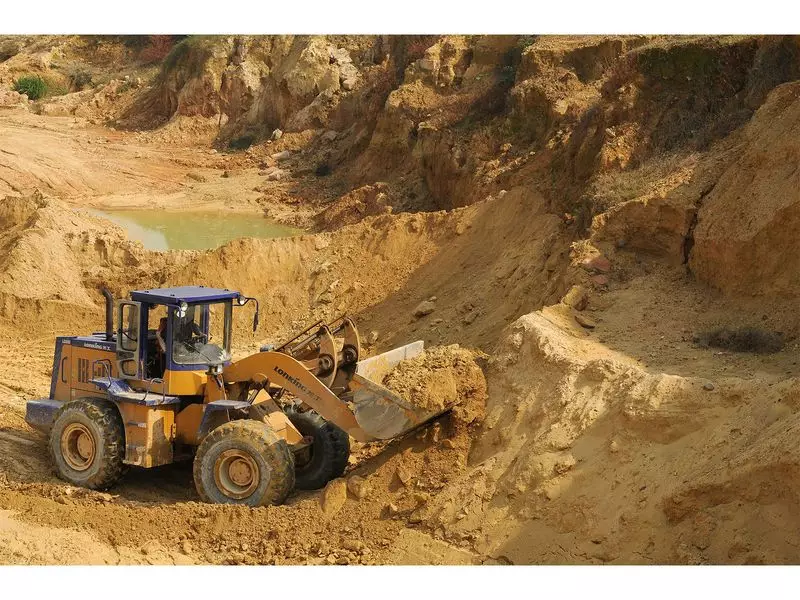
Recent analysis reveals that China controls approximately 60% of global rare earth mining and commands an even more dominant 85-90% share in processing these crucial minerals. These statistics highlight the extreme concentration of power in the global supply chain for materials essential to modern green technologies.
Rare earth elements comprise seventeen metallic substances that have become indispensable for manufacturing high-tech products. They include neodymium, praseodymium, and dysprosium - all critical components in permanent magnets used in electric vehicle motors and wind turbines. The specialized nature of these minerals makes them particularly vulnerable to supply chain disruptions.

Impact on Global Climate Initiatives
The warning about China's strategic position comes from Professor Saleem H. Ali from the University of Delaware, who emphasized the broader implications during an interview with the South China Morning Post. Global climate transition goals face substantial risks due to this supply chain vulnerability, potentially slowing down the adoption of renewable energy worldwide.
Electric vehicles represent one of the most affected sectors. Each EV typically requires approximately 2-4 kilograms of rare earth elements for its motor system. Similarly, direct-drive wind turbines depend heavily on these minerals, with a single large turbine needing up to 600 kilograms of rare earth-based permanent magnets.
Professor Ali specifically highlighted how China could leverage its dominant position to influence global markets and political dynamics. This control extends beyond simple economic advantage to potential geopolitical weaponization of mineral supplies during international disputes or trade tensions.
Historical Precedents and Future Concerns
The expert pointed to a significant historical example that demonstrates China's willingness to use its mineral advantage strategically. In 2010, during a territorial dispute with Japan, China temporarily restricted rare earth exports, causing worldwide prices to skyrocket and forcing manufacturers to scramble for alternatives.
This incident served as a wake-up call for many nations about their dependency on Chinese rare earth supplies. However, more than a decade later, the global dependence has only increased in many sectors, particularly those related to climate-friendly technologies.
The concentration of processing capability presents an even greater challenge than mining control. While other countries have rare earth deposits, China has developed superior processing technologies and infrastructure over decades, creating a competitive advantage that's difficult to overcome in the short term.
Global Response and Alternative Solutions
In response to these vulnerabilities, several countries have initiated programs to diversify their rare earth supplies. The United States, Australia, and European nations are investing in domestic mining projects and developing international partnerships with other resource-rich countries.
Recycling represents another promising avenue for reducing dependence. Only about 1% of rare earth elements currently get recycled from end-of-life products, indicating substantial opportunity for improvement. Enhanced recycling technologies could significantly supplement primary production and reduce pressure on mining.
Technological innovation also offers potential solutions. Some manufacturers are developing rare-earth-free motors for electric vehicles, while researchers are exploring alternative materials that could replace these critical minerals in certain applications.

The situation demands urgent international attention and coordinated action. As Professor Ali concluded, ensuring diverse and secure mineral supplies is no longer just an economic concern but a fundamental requirement for achieving global climate targets and maintaining technological sovereignty.