In a significant move to strengthen India's export capabilities, the Union government has announced pivotal measures in the Budget 2026-27 to boost exports of leather products and non-leather footwear. This development comes shortly after the Centre signed a trade agreement with the European Union, signaling a strategic push to enhance India's global trade footprint.
Budget Announcements for Leather and Footwear Sector
Union Finance Minister Nirmala Sitharaman, in her budget speech on Sunday, unveiled key proposals aimed at revitalizing the leather and footwear industry. "I propose to allow duty-free imports of specified inputs, which is currently available for exports of leather or synthetic footwear, to exports of shoe uppers as well," Sitharaman stated. Additionally, she announced an extension of the time period for export of final products from six months to one year for exporters of leather or textile garments, leather or synthetic footwear, and other leather products.
Impact on Shoe Uppers Exports
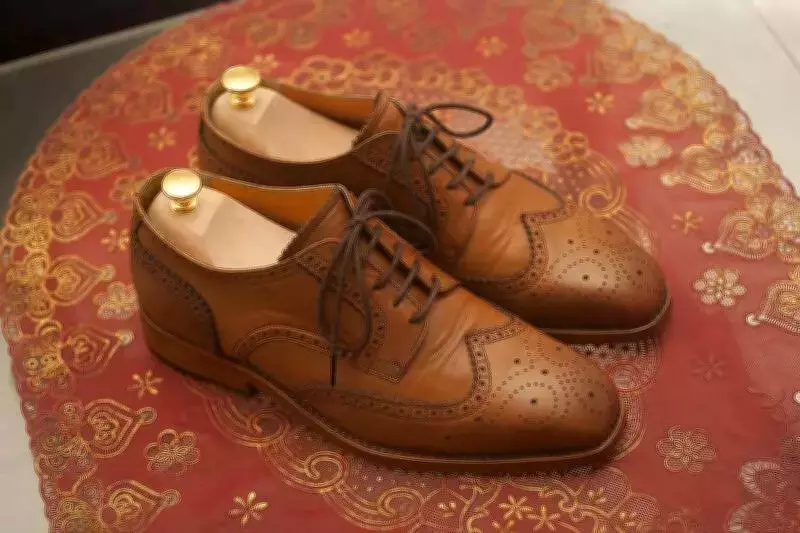
Shoe uppers, which constitute the top portion of stitched shoes, are a critical component in global footwear manufacturing. According to Israr Ahmed, former vice-president of the Federation of Indian Export Organisations and managing director of Farida Group, these uppers are exported to factories worldwide. Specific materials need to be imported for their production, processed in Indian factories, and then exported as final products.

Previously, imports required for manufacturing shoe uppers were subject to duties. However, the new budget brings these under the Import of Goods on Concessional Rate of Duty scheme, making them duty-free. This change is expected to reduce costs and streamline operations for exporters.
Ease of Doing Business and Employment Generation
The extension of the export timeline from six months to one year is poised to enhance ease of doing business. Ahmed emphasized that this adjustment will benefit small manufacturers in particular, as nearly 10% of the sector is engaged in producing shoe uppers. "The announcements will help exporters increase their market share in the future," he added, highlighting the potential for growth driven by trade deals with the EU and the UK.
The Council for Leather Exports, operating under the commerce and industry ministry, underscored the positive impact of these measures. Exports of value-added products like shoe uppers stood at $222 million in 2024-25, and the new initiatives have the potential to generate approximately two lakh to three lakh additional jobs in the sector.
Broader Economic Implications
These budgetary measures align with the government's broader strategy to boost employment and strengthen India's position in global markets. By facilitating duty-free imports and extending export deadlines, the Union government aims to make Indian leather and footwear products more competitive internationally.
Industry experts believe that the combination of recent trade agreements and these budget proposals will create a conducive environment for exporters, enabling them to tap into new markets and increase their global market share. The focus on small manufacturers is particularly noteworthy, as it supports grassroots economic growth and job creation.
As India continues to navigate post-pandemic economic recovery, such targeted interventions in key sectors like leather and footwear are crucial for sustaining momentum and achieving long-term export goals.