Congress Leader Expresses Doubts Over Punjab's Export Gains from India-EU Trade Pact
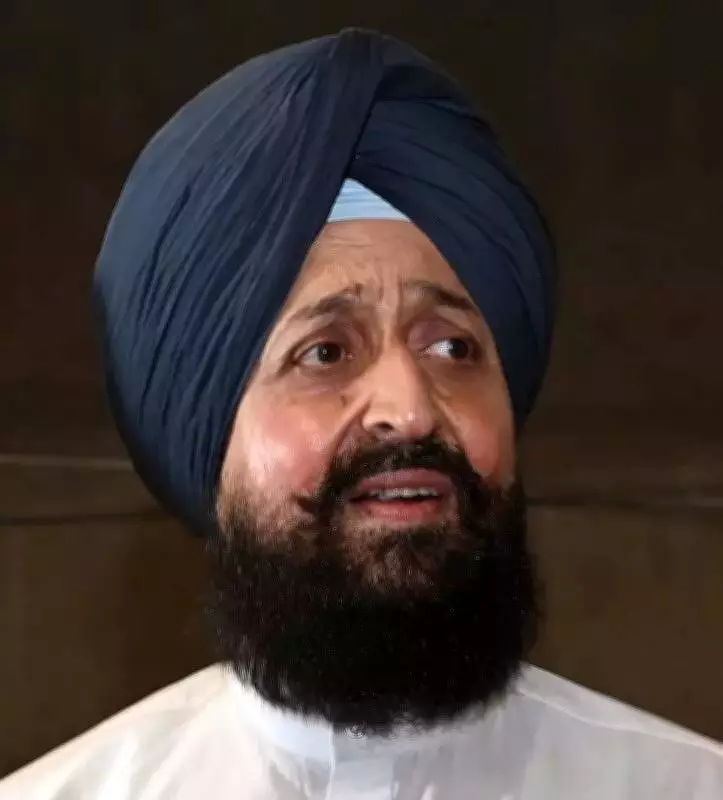
Chandigarh-based Punjab Leader of Opposition and senior Congress functionary Partap Singh Bajwa voiced significant apprehension on Monday regarding the Union government's assertions of export-led growth for Punjab following the India–European Union Free Trade Agreement (FTA). He emphasized that mere rhetoric without substantial infrastructure development and targeted policy support would effectively exclude Punjab from reaping the benefits of this landmark trade deal.
Ground Reality Contradicts Promises
Referring specifically to Prime Minister Narendra Modi's address to the Punjabi community in Jalandhar on Sunday, Bajwa noted that while the Prime Minister highlighted new export opportunities to Europe under the FTA, the actual conditions in Punjab make such assurances appear deeply questionable. The Prime Minister spoke about new export opportunities to Europe. The question Punjab asks is simple: how can our goods be sent competitively when the state itself is commercially chained? Bajwa remarked, pointing to systemic barriers.
Infrastructure Deficits Undermine Competitive Edge
Bajwa elaborated that Punjab's inherent geographical advantage as a land-linked border state has been rendered meaningless due to operational constraints. The land border remains closed. Overland trade routes to Eurasia and onward to Europe, which are the most cost-effective and efficient for Punjab, are unavailable, he explained. This situation forces local exporters to rely on lengthy and expensive sea routes, which significantly erodes their competitiveness even before products can reach European markets.

He argued that without immediate and concrete steps to open land corridors and enhance logistical frameworks, Punjab's industries and agricultural sectors would struggle to capitalize on the FTA. The absence of supportive policies and infrastructure investments, according to Bajwa, could lead to missed economic opportunities and widening regional disparities, leaving the state behind in the national export narrative despite its strategic location.