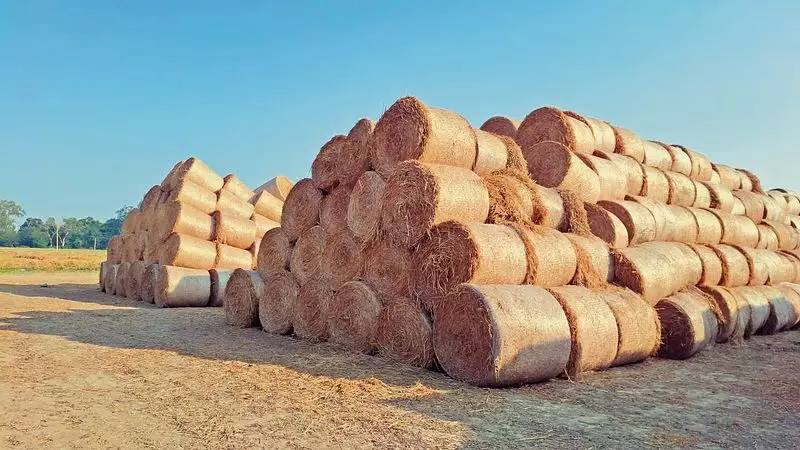
In a significant environmental achievement, farmers in Ambala district have successfully avoided stubble burning across a massive 2.45 lakh acres of farmland during the current season. This remarkable effort represents a major step forward in addressing northern India's persistent air pollution challenges.
Massive Reduction in Agricultural Burning
According to recent reports from agricultural authorities, Ambala farmers have prevented stubble burning on approximately 2.45 lakh acres of agricultural land. This substantial achievement comes amid growing concerns about deteriorating air quality in northern states, particularly during the winter months when agricultural residue burning typically peaks.
The district administration has been actively working with farming communities to implement alternative methods for managing crop residue. Various techniques including the use of happy seeders, super seeders, and other machinery have been promoted to help farmers manage paddy straw without resorting to burning.

Farmers Seek Financial Support for Sustainable Practices
While celebrating this environmental milestone, Ambala's agricultural community is now calling for appropriate incentives from government authorities. Farmers argue that adopting alternative stubble management methods involves additional costs and efforts that should be recognized and compensated.
Many farmers have expressed that while they understand the environmental importance of avoiding stubble burning, the financial burden of alternative methods makes sustainability challenging without proper support systems. The use of machinery for in-situ management, though effective, comes with operational costs that many small and marginal farmers find difficult to bear independently.
Administrative Efforts and Future Challenges
District administration officials have acknowledged the farmers' cooperation in achieving this significant reduction in stubble burning. Multiple awareness campaigns and demonstrations of alternative techniques have been conducted across the district to educate farmers about sustainable practices.
However, the challenge remains to maintain this positive trend in subsequent seasons. Farmers emphasize that long-term success depends on consistent government support, including subsidies for machinery, financial incentives for adopting sustainable practices, and continued technical assistance.
The situation in Ambala reflects a broader pattern across northern Indian states where the conflict between environmental concerns and agricultural practicality continues. As the harvesting season progresses, all stakeholders are watching closely to see if this positive trend can be maintained and replicated in other regions facing similar challenges.