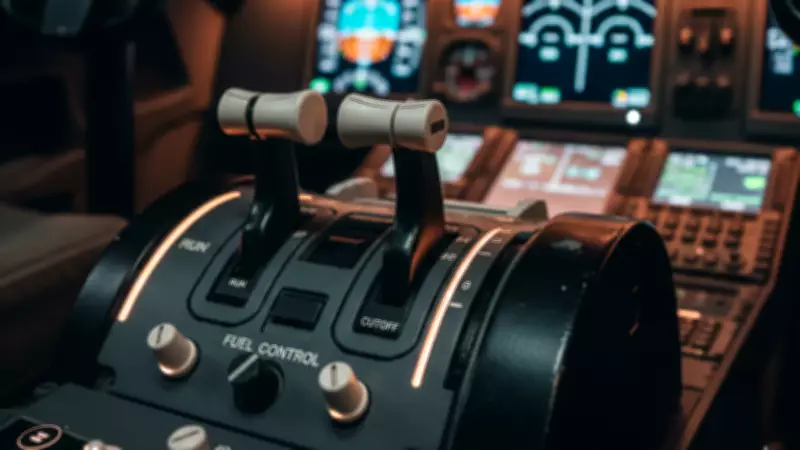
Air India B787 Fuel Switch Incident: Safety Safeguard Failure on London-Bengaluru Flight
During a routine engine start procedure at London Heathrow on February 1, 2026, an Air India Boeing 787 aircraft experienced a concerning technical malfunction. The fuel control switch unexpectedly moved from the "run" position to "cut-off" without the required lift action, indicating a failure of the aircraft's safety safeguard mechanisms.
Incident Details and Technical Failure
The incident occurred when a crew member lightly pressed the left fuel control switch to verify its lock mechanism. Surprisingly, the switch moved despite the safety feature not being properly engaged, revealing an inconsistency in the aircraft's protective systems. The B787's two-step fuel switch system is specifically designed to prevent inadvertent fuel shutoff, yet this safeguard partially failed during the London inspection.
According to reports, the switch failed to lock on two separate attempts, only functioning correctly on the third try. This inconsistent behavior raised immediate concerns about the integrity of the locking mechanism and the potential for unintended activation during normal aircraft operations.

Flight Continuation and Current Status
Despite observing the fuel switch's problematic behavior, the B787 aircraft (registration VT-ANX) proceeded with its scheduled flight. The aircraft departed London at 9:40 pm local time and completed its journey to Bengaluru, where it has since been grounded for comprehensive safety checks and technical evaluation.
Broader Implications and Investigation
This incident has significant implications beyond the immediate safety concern:
- Design Flaw Questions: The London incident highlights potential design vulnerabilities in the B787 fuel control switch system, particularly regarding locking integrity and the possibility of inadvertent activation during routine handling.
- Challenging Previous Narratives: The event directly challenges assumptions surrounding the June 12 Ahmedabad crash, suggesting that what was previously attributed to deliberate pilot action might instead stem from technical issues within the aircraft's fuel switch system.
- Fleet-Wide Concerns: The incident underscores that fuel cutoff could occur due to mechanical detent failure or signal-related issues, implying the need for fleet-wide investigation rather than focusing exclusively on pilot actions.
- Regulatory Scrutiny: Questions have emerged about earlier Directorate General of Civil Aviation (DGCA) fleet clearance procedures, as a defect appearing months after inspection suggests prior examinations may have been visual, non-diagnostic, or incomplete.
Investigation Direction and Technical Analysis
The Air Accident Investigation Bureau (AAIB) must now broaden its probe to include comprehensive component-level and fleet-level analysis. Rather than assuming fuel cutoff automatically indicates pilot intent, investigators need to consider credible technical failure modes, including uncommanded switch behavior that could result from mechanical or signal-related issues.
Technical experts emphasize that detailed examination of the aircraft's fuel control systems is now imperative. The incident reveals that uncommanded switch behavior represents a credible failure mode that requires thorough technical investigation to ensure aviation safety standards are maintained across the fleet.
This incident serves as a critical reminder of the importance of robust safety systems in modern aviation and the need for continuous technical evaluation of aircraft components, particularly those with direct implications for flight safety and operational integrity.