Flight operations at Delhi's Indira Gandhi International (IGI) Airport were thrown into disarray on Monday, December 29, 2025, as a thick blanket of dense fog enveloped the national capital and large parts of Northern India. The severe weather condition forced the cancellation of a staggering 128 flights and the diversion of eight others, causing significant travel chaos for thousands of passengers.
Widespread Disruption and Passenger Advisory
The airport authorities confirmed that the disruptions were split evenly, with 64 arriving and 64 departing flights cancelled at the country's busiest aviation hub. In an official advisory, Delhi International Airport Limited (DIAL) stated that operations were being conducted under CAT III conditions due to the persistent low visibility. "Teams were working with all stakeholders to minimise inconvenience to passengers," DIAL added, while warning that delays were likely to continue throughout the day.
The Ministry of Civil Aviation also issued a broader alert, noting that flight operations at several airports across Northern India could be affected by the foggy conditions, leading to possible delays and schedule changes. Airlines quickly followed suit, urging travellers to stay updated on their flight's status.

Airlines Urge Caution as Fog Persists
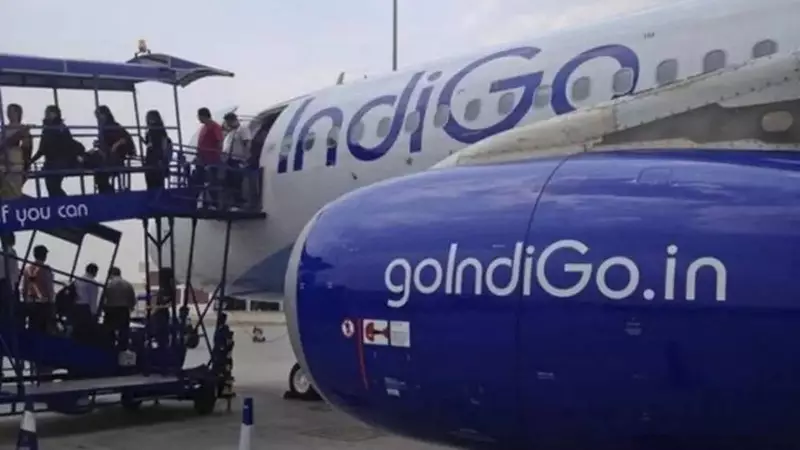
Major carrier IndiGo took to social media platform X to advise passengers. The airline asked flyers to check their flight status before heading to the airport and to allocate extra time for their journey, as road traffic was also likely to be impacted. "Fog continues to persist across Delhi and several airports in northern India. Visibility remains reduced and, as a result, flight movements are presently slower than normal," the airline's post read. It further assured that operations were being managed by sequencing departures and arrivals to maintain order.
Understanding CAT III Operations
The activation of CAT III procedures is a critical response to such severe weather. At airports certified for these conditions, specially equipped aircraft with advanced instrument landing systems and pilots trained for low-visibility approaches can operate. However, the process significantly limits the number of flights that can take off or land per hour, creating a cascading effect of delays and cancellations across the network.
This incident is not an isolated one. Over the past few weeks, the winter season has brought repeated days of poor visibility, particularly during the early morning hours, leading to a pattern of flight delays, diversions, and cancellations that have tested the resilience of India's northern aviation infrastructure.