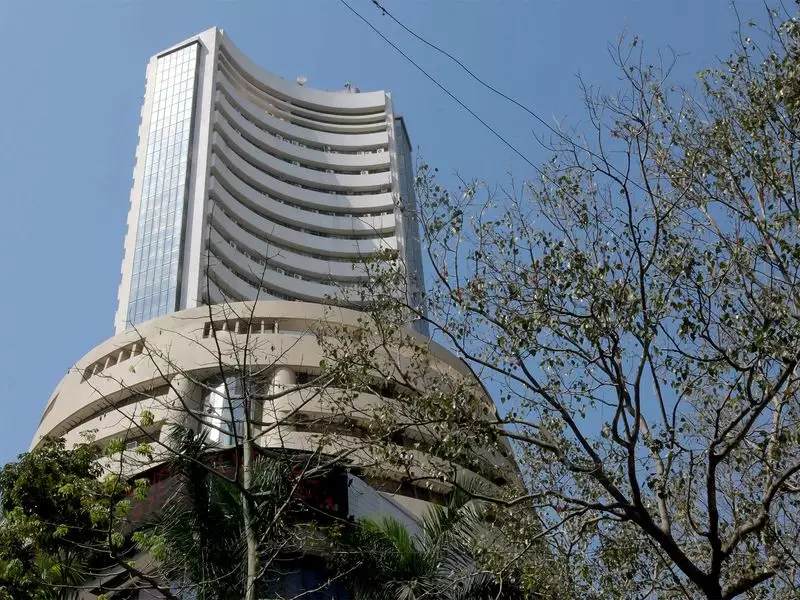
Indian equity benchmarks opened deep in the red on Tuesday, April 16, 2024, succumbing to a heavy sell-off triggered by a toxic cocktail of global anxieties. Investor sentiment was rattled by escalating geopolitical tensions in the Middle East and fresh threats of increased tariffs on Chinese imports from the United States.
Markets Plunge at Opening Bell
The 30-share BSE Sensex plummeted by 526.76 points, or 0.70 per cent, to begin the trading session at 73,913.56. Mirroring this downward spiral, the broader Nifty 50 index dropped 149.55 points, or 0.66 per cent, to open at 22,442.70. The selling pressure was broad-based, with most major sectoral indices trading lower.
Among the Sensex constituents, major laggards included Tata Steel, JSW Steel, Mahindra & Mahindra, Tata Motors, and UltraTech Cement. Only a handful of stocks, such as Nestle India and Hindustan Unilever, managed to cling to marginal gains, offering little respite to the overall bearish mood.

Global Headwinds Fuel the Sell-Off
The sharp decline was primarily imported, driven by two significant external factors. First, renewed geopolitical risks in the Middle East following Iran's drone and missile attack on Israel over the weekend spooked investors globally. This escalation has raised fears of a broader regional conflict that could disrupt oil supplies and destabilize financial markets.
Second, comments from the United States injected fresh trade war worries. US Treasury Secretary Janet Yellen indicated a potential for new tariffs on Chinese clean energy exports. This threat of renewed trade tensions between the world's two largest economies dampened the appetite for risk assets like equities across emerging markets, including India.
Broader Market and Sectoral Impact
The market breadth was overwhelmingly negative, reflecting widespread pessimism. On the BSE, 2,513 stocks declined while only 686 advanced. The Midcap and Smallcap indices also felt the heat, underperforming the main benchmarks.
Sectorally, metal stocks were among the hardest hit, with the Nifty Metal index falling sharply. This was a direct reaction to the global growth concerns stemming from the geopolitical and trade developments. Auto, realty, and financial services indices also traded with significant cuts. In contrast, the FMCG (Fast-Moving Consumer Goods) sector showed some resilience, acting as a relative defensive play for nervous investors.
In the previous trading session on Monday, markets had managed to close with modest gains. The BSE benchmark had edged up 21.34 points (0.03 per cent) to settle at 74,440.32, while the Nifty had inched up 10.50 points (0.05 per cent) to 22,592.30. However, the overnight deterioration in the global risk environment completely erased that fragile optimism.
Analysts noted that while domestic fundamentals remain stable, Indian markets are currently taking their cues from volatile global events. The combination of war fears and trade tensions has prompted foreign portfolio investors (FPIs) to turn cautious, leading to outflows and increased volatility. Traders are advised to monitor the evolving international situation closely, as it is likely to dictate near-term market direction.