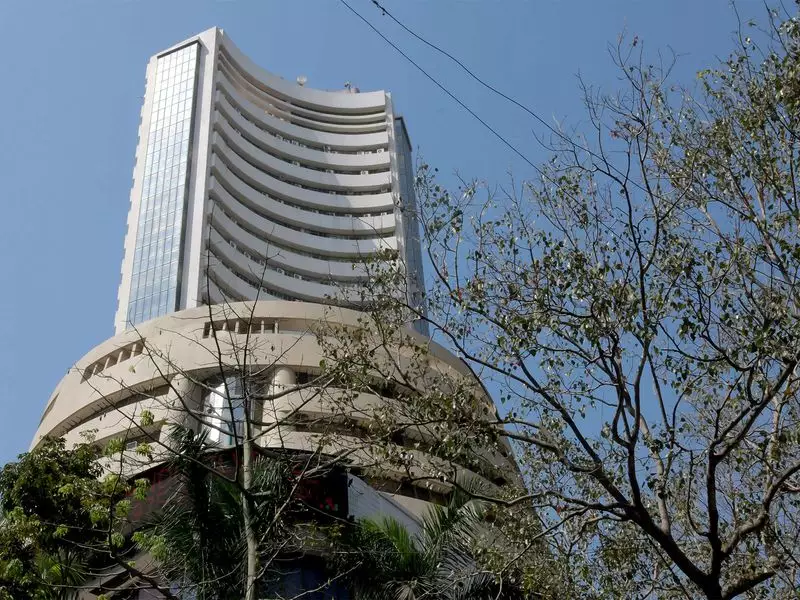
Indian equity benchmarks opened sharply lower on Tuesday, February 13, extending losses from the previous session as a wave of selling pressure continued to grip the markets. The downturn was triggered by a combination of weak global cues, persistent foreign fund outflows, and investor caution ahead of key domestic corporate earnings.
Market Plunge: A Closer Look at the Numbers
The benchmark S&P BSE Sensex opened deep in the red, plummeting over 700 points or 1% to trade near the 71,000 mark. Similarly, the broader NSE Nifty 50 index also witnessed a steep decline, falling more than 200 points or nearly 1%. This bearish opening followed a significant sell-off in the previous trading session on Monday, where the Sensex had crashed by over 500 points.
The market breadth was overwhelmingly negative, indicating widespread selling across sectors. On the BSE, a staggering 2,362 stocks were declining compared to just 585 that were advancing. This sell-off was not confined to large caps; mid-cap and small-cap indices also came under significant pressure, reflecting a broad-based risk-off sentiment among investors.

Key Factors Driving the Market Sell-Off
Analysts point to three primary factors behind the current market weakness. First, global cues have turned decidedly negative. Investors globally are reassessing the timeline for interest rate cuts by major central banks, particularly the US Federal Reserve, following hotter-than-expected inflation data. This has led to a rise in US bond yields and a strengthening dollar, which typically triggers capital outflows from emerging markets like India.
Second, the behaviour of Foreign Portfolio Investors (FPIs) is a major concern. After being net buyers in January, FPIs have turned net sellers in Indian equities in February. Their sustained selling in the cash market is creating a significant overhang on stock prices. The outflow is directly linked to the shifting global interest rate expectations, making Indian assets relatively less attractive in the short term.
Third, the ongoing Q3 earnings season for the financial year 2023-24 is presenting a mixed picture. While some companies have reported robust numbers, others have disappointed, leading to stock-specific volatility. Investors are closely scrutinising management commentaries for future growth outlooks amid evolving macroeconomic conditions.
Sectoral Performance and Outlook
The selling pressure was widespread, with most major sectoral indices trading lower. Banking and financial stocks, which carry significant weight in the benchmarks, were among the top drags. Information technology stocks also remained under pressure due to concerns over global demand. Auto and metal sectors showed relative resilience but were still in negative territory.
Market experts suggest that the near-term trajectory will depend heavily on the interplay of these three factors. The direction of global bond yields and the dollar index will influence FPI flows. Domestically, the remaining Q3 results and any pre-budget announcements will be closely watched. The broader market correction, especially in mid and small caps, is also being viewed as a healthy consolidation after a prolonged rally, potentially offering better entry points for long-term investors.
In summary, the Indian stock market is navigating a phase of heightened volatility driven by external headwinds and domestic earnings scrutiny. While the long-term structural story remains intact, investors are advised to brace for continued volatility in the coming sessions and focus on fundamentally strong companies with resilient earnings prospects.